
To spot pool equipment failure before it costs you, monitor for warning signs like inconsistent water circulation, visible leaks, or fluctuating pressure. Listen for abnormal noises from pumps, such as grinding or buzzing, and notice any reduced water flow. Regular visual inspections every two months are essential to catch minor issues early. Addressing these signs promptly can prevent costly repairs and extend your equipment’s lifespan. Keep exploring to understand more crucial tips for pool maintenance.
The Cliff Notes
- Monitor for inconsistent water circulation, which may indicate pump or filtration issues needing immediate attention.
- Listen for abnormal noises from the pump, as they often signal mechanical problems or worn components.
- Check for visible leaks around pumps and heaters, indicating potential damage requiring prompt repairs.
- Regularly inspect pressure gauge readings; abnormal levels can point to clogs or inefficiencies in the system.
- Schedule inspections every two months to catch early signs of failure and prevent costly repairs.
The Warning Signs of Pool Equipment Failure
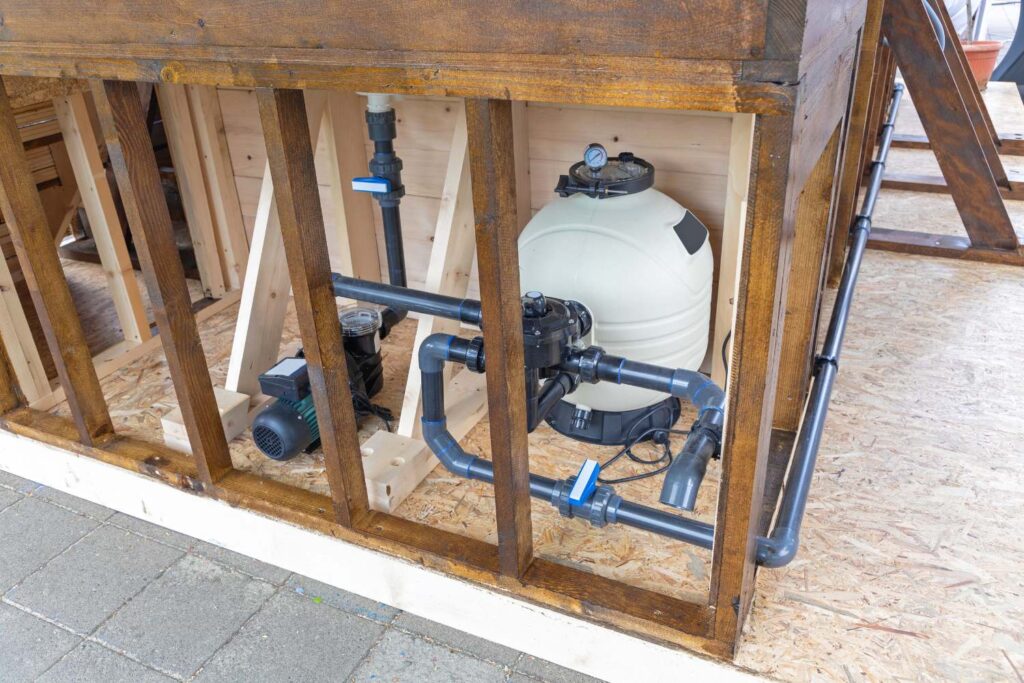
While enjoying a clear and invigorating pool, you might overlook subtle cues that signal potential equipment failure. Recognizing pool pump failure signs early can save you from costly repairs. Inconsistent water circulation often points to underlying issues with your pump or filtration system, leading to algae growth or cloudy water. Additionally, visible leaks around pumps or heaters indicate damage that requires immediate attention. Fluctuating water pressure readings on the filter gauge can also help you detect pool equipment problems, suggesting clogs or the need for filter media replacement. Finally, if your pool heater struggles to reach the desired temperature or shows error codes, it’s essential to address these early pool equipment issues to guarantee your swimming season isn’t disrupted.
How to Identify Abnormal Noises Coming From Pool Pumps and Filters
When you notice unusual noises coming from your pool pumps or filters, it’s essential to investigate promptly, as these sounds can indicate underlying mechanical or electrical issues. For instance, grinding or screeching noises often signal worn bearings or impeller clogs that necessitate immediate attention. If you hear humming or buzzing, it could point to electrical problems or a malfunctioning motor, which you shouldn’t ignore. Frequent on-off cycling accompanied by strange noises may suggest air leaks or motor issues, requiring professional inspection. Additionally, high-pressure gauge readings with abnormal filter sounds can indicate clogging or valve malfunctions. Regular monitoring of these noises is key for effective pool motor troubleshooting, ultimately aiding in avoiding expensive pool repairs and extending equipment lifespan. Furthermore, proper water chemistry can help prevent some mechanical issues by ensuring that the water flowing through the system is balanced and less corrosive to the equipment.
The Signs of Reduced Water Flow
If you notice weaker jets or slower filtration in your pool, it’s essential to address the issue of reduced water flow immediately. This can often indicate a malfunctioning pump or clogged filter. A significant drop in water pressure, usually below 10–25 psi, signals potential blockages. Regularly monitor your pump’s performance; frequent cycling can indicate underlying issues. Properly maintaining your pool reduces skin and eye irritation and ensures a clear swimming environment.
| Sign of Reduced Flow | Possible Cause | Recommended Action |
|---|---|---|
| Weaker jets | Clogged filter | Clean or replace filter |
| Slower filtration | Malfunctioning pump | Inspect and repair pump |
| Visible leaks around pump | Disruption in flow | Fix leaks, check connections |
Addressing reduced water flow promptly can prevent costly repairs and maintain ideal water quality.
The Importance of Early Detection in Pool Equipment Maintenance
Recognizing early signs of equipment failure is vital for maintaining a well-functioning pool system. Detecting small issues early can prevent them from escalating into costly repairs, saving you significant expenses over time. Regular inspections every two months, especially during peak swimming season, are essential for identifying warning signs like unusual noises, reduced water flow, or abnormal pressure readings. Familiarizing yourself with symptoms such as cloudy water or inconsistent temperature allows for prompt action and maintenance. Addressing minor problems—like cleaning filters or tightening loose fittings—can extend your equipment’s lifespan and enhance overall performance. Establishing a routine maintenance schedule and understanding your pool system’s key components guarantees peak performance and minimizes the risk of equipment failure. Additionally, regular checks on water chemistry management can help in identifying potential issues before they become severe.
Timely Repairs Can Extend the Life of Your Equipment
Timely repairs are essential for extending the life of your pool equipment, as neglecting minor issues can lead to significant problems down the line. By addressing small concerns early, you can prevent costly replacements and guarantee peak performance. Here are three key practices to bear in mind:
1. Regular Maintenance Checks: Schedule inspections every two months during peak season to catch early signs of wear.
2. Prompt Issue Resolution: Fix minor problems, like a noisy pump, to avoid escalating failures and higher energy costs.
3. Professional Inspections: Invest in routine evaluations to enhance durability, ensuring your system runs efficiently and requires fewer emergency repairs.
Avoiding Minor Issues From Becoming Major Problems
While you may think minor pool equipment issues can wait, addressing them promptly can save you from larger, more costly problems down the line. Regularly inspect key components like the pump, filter, and heater for unusual noises, leaks, or reduced performance. Monitor water quality and circulation; cloudy water or inconsistent flow often signals underlying equipment problems that need immediate attention. Pay close attention to pressure gauge readings; abnormal levels can indicate blockages or filter inefficiencies that require prompt action. Establish a routine inspection schedule every two months during peak swimming season to guarantee maximum functioning. By addressing minor signs of failure, such as strange sounds or decreased efficiency, you can prevent escalation into expensive repairs or replacements.
How to Perform Regular Pool Equipment Inspections
To guarantee your pool equipment operates efficiently, you should implement regular inspections that include both visual checks and functionality tests. Start by examining the equipment for any visible signs of wear, such as cracks or leaks, while also testing the performance of each component to confirm they’re functioning as intended. Consistent monitoring of these aspects will help you catch potential issues early, preventing costly repairs down the line.
Visual Inspection Techniques
Conducting regular visual inspections of your pool equipment is essential for identifying potential issues before they escalate into costly repairs. Here are three key inspection techniques to incorporate into your routine:
1. Check for Leaks: Look for visible leaks around the pump, filter, and heater. Any pooling water indicates potential failure that needs immediate attention.
2. Monitor Pressure Gauge: Observe the pressure gauge readings on your filter. Anything notably above the normal range (10–25 psi) may signal a clog or malfunction requiring cleaning or replacement.
3. Listen for Noises: Pay attention to unusual noises from the pump, such as grinding or screeching, which can indicate mechanical issues or the need for lubrication.
Functionality Testing Methods
Regular functionality testing of your pool equipment is essential for ensuring peak performance and longevity. Here are some key methods to incorporate into your maintenance routine:
| Equipment | Testing Method | Warning Signs |
|---|---|---|
| Pump | Listen for unusual noises | Grinding or screeching |
| Filter | Check the pressure gauge | Readings outside 10-25 psi |
| Heater | Test water temperature | Inconsistencies from set temp |
Additionally, inspect for leaks around equipment and perform a visual inspection of the pump, filter, heater, and chlorinator every two months. Catching small issues early helps save money and minimizes downtime, ensuring your pool remains in peak condition.
Establishing a Routine Inspection Schedule
To maintain your pool equipment effectively, establish a routine inspection schedule, ideally every two months. Create a detailed checklist that includes critical components like the pump, filter, and heater to guarantee thorough evaluations. Document your findings consistently to track any irregularities and support timely interventions.
Frequency of Inspections
Consistently establishing a routine inspection schedule for your pool equipment is essential in preventing costly failures. You should aim to conduct thorough checks every two months during peak swimming season. This frequency helps identify early signs of wear and tear.
Consider focusing on these critical components:
1. Pump: Confirm it’s operating efficiently to maintain water circulation.
2. Filter: Check for clogs or signs of wear that could reduce effectiveness.
3. Heater and Chlorination System: Verify proper functioning to maintain water quality.
Documenting the condition of your equipment during each inspection can help track changes over time. Setting reminders for these inspections, particularly before peak seasons, guarantees maintenance is consistent and timely. Engaging with a professional service can further enhance your inspections.
Checklist for Equipment
After establishing a routine inspection schedule for your pool equipment, it’s important to have a thorough checklist to guide your evaluations. Check key components like the pump, filter, and heater every two months, especially during peak swimming season. Listen for abnormal noises from the pump, such as grinding or squealing, which may indicate mechanical failure needing immediate intervention. Regularly inspect the pressure gauge on the filter; normal readings range from 10–25 psi, and deviations can signal clogs or malfunctions. Additionally, monitor water clarity and circulation; cloudy water or weak jets may suggest filtration issues. By following this checklist, you can catch small problems early and prevent costly repairs or extended downtime.
Documenting Findings Regularly
While it’s easy to overlook routine inspections, documenting your findings is crucial for maintaining pool equipment effectively. Establish a consistent schedule, inspecting your equipment every two months during peak swimming season. This proactive approach can save you time and money. Here are three key steps to follow:
1. Conduct thorough checks of critical components, such as the pump, filter, and heater.
2. Document any anomalies, like unusual noises, fluctuating pressure readings, or visible leaks, to track changes over time.
3. Set reminders or use a digital calendar to guarantee inspections aren’t missed, promoting a routine maintenance practice.
Regular documentation helps identify recurring issues, allowing you to prioritize repairs and enhance the longevity of your pool equipment.
Deciding Between DIY Repairs and Professional Services
How do you know when to tackle pool repairs yourself and when to call in a professional? For simple tasks like cleaning filters or replacing O-rings, DIY is often feasible. However, complex issues, especially electrical faults, should be handled by professionals to guarantee safety and proper resolution.
| DIY Repairs | Professional Services | Considerations |
|---|---|---|
| Cleaning filters | Electrical repairs | Safety risks |
| Replacing O-rings | Structural issues | Warranty concerns |
| Minor adjustments | Specialized diagnostics | Access to tools |
Knowing your limits is essential; attempting advanced repairs can lead to further damage and void warranties. Regular consultations with professionals can identify potential issues early, saving you money in the long run.
Frequently Asked Questions
When to Replace Pool Equipment?
You should consider replacing pool equipment when repair costs exceed 50% of a new unit’s price. If your pump or heater is over ten years old and frequently malfunctions, it’s likely more cost-effective to invest in new equipment. Look for signs of wear like leaks, unusual noises, or poor performance. If repairs become complex or fail repeatedly, it’s a clear signal to replace rather than continue patching up old systems.
How Much Does It Cost to Replace Pool Equipment?
Replacing pool equipment can vary markedly in cost. For instance, a pool pump may cost you between $300 and $1,000, while a pool filter ranges from $200 to $1,200, depending on its type. If you’re considering a new pool heater, expect to pay anywhere from $1,500 to $4,000. Chlorinators typically cost between $300 and $800. Neglecting minor repairs can lead to expenses exceeding $5,000, so it’s essential to stay proactive.
How to Know When a Pool Pump Is Bad?
You might think your pool pump’s invincible, but it can show signs of trouble. If you hear grinding or screeching noises, that’s a red flag. Pay attention to weak water flow, frequent on-off cycling, or visible leaks around the pump—these are all symptoms of failure. Keep an eye on the pressure gauge too; abnormal readings can signal clogs or malfunctioning parts that need immediate repair to avoid costly breakdowns.
What Is the Average Lifespan of a Pool Pump?
The average lifespan of a pool pump typically ranges from 8 to 15 years. Several factors influence this duration, including how often you use it, the maintenance you perform, and the pump’s quality. If you keep an eye on water chemistry and environmental conditions, you’ll help prolong its life. Regular maintenance, like cleaning the strainer basket and proper lubrication, can also make a significant difference in your pump’s longevity.