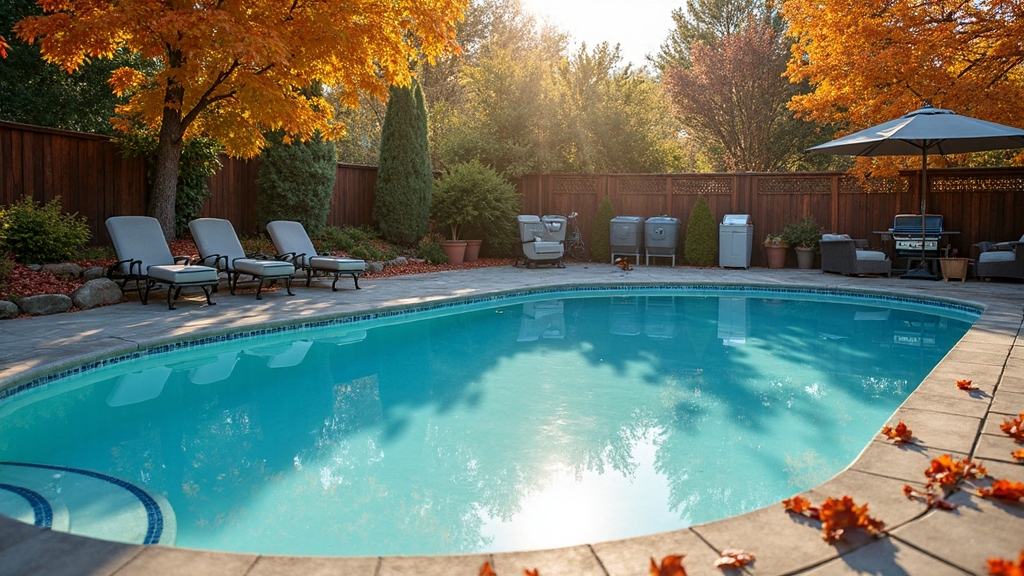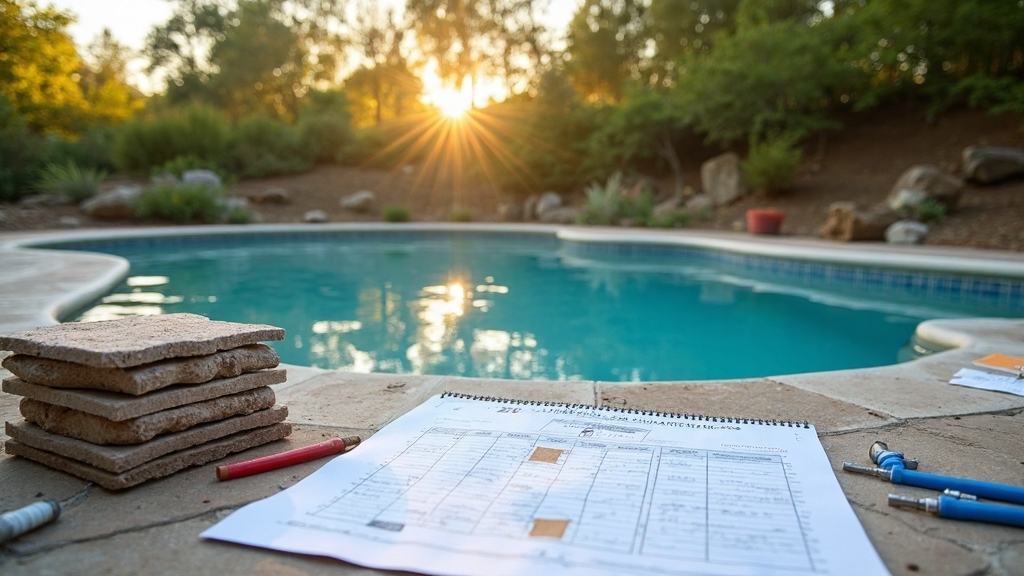


Before winter, inspect your pump and heater for leaks, cracks, and proper operation. Check the filter for damage and clean the skimmer to guarantee circulation. Assess electrical connections for corrosion and test GFCI outlets. Keep water levels below the skimmer and maintain chemical balance, especially pH and chlorine levels. Finally, review your pool cover for any wear and verify it’s secure. There’s more to take into account for ideal winterization and equipment longevity.
The Cliff Notes
- Inspect the pump and heater for leaks, ensure they are fully drained, and listen for unusual noises from the motor.
- Check the filter and skimmer for cracks, clean the filter, and remove debris from the skimmer for optimal water circulation.
- Assess all electrical connections for corrosion, ensure proper insulation, and test GFCI outlets for functionality to guarantee safety.
- Monitor water levels to stay below the skimmer, maintain proper chemical balance, and address any drops in water levels promptly.
- Review the pool cover for damage, ensure it fits snugly, and use a cover pump to remove excess water on solid covers.
Inspect the Pump and Heater
Before winter sets in, it’s crucial to inspect your pump and heater to prevent costly damage. As part of your end-of-year pool equipment check, start by examining the pump for leaks or cracks in the housing. Confirm it’s fully drained to avoid freezing issues. Next, verify your heater’s operation; it should also be completely drained to prevent freezing and cracking. Listen for unusual noises or vibrations from the pump’s motor, as these can signal potential problems. Additionally, review electrical connections for any corrosion or wear that might lead to malfunctions. Finally, check that all hoses and fittings connected to both the pump and heater are secure and leak-free, guaranteeing peak performance when you reopen your pool in spring.
Check the Filter and Skimmer
As winter approaches, checking your pool’s filter and skimmer is crucial to guarantee they operate effectively during the colder months. Start with the filter; inspect it for cracks or leaks to prevent water quality issues. Make certain you backwash or clean it before winterizing to remove contaminants, as noted in your pool inspection checklist Sonoma. Next, check the skimmer for accumulated debris, leaves, and dirt. A clean skimmer is imperative for proper water circulation and prevents clogs that could damage your system. Ensure the skimmer basket is empty and in good condition, replacing any damaged parts. Finally, test the skimmer’s weir door to confirm it opens and closes freely, maintaining water levels and preventing debris entry into the filtration system. Proper swimmer hygiene practices can also help minimize contamination risks as you prepare for winter.
Assess Electrical Connections
Checking your electrical connections is essential for maintaining the safety and functionality of your pool equipment during winter. A thorough winter pool equipment inspection can prevent potential hazards. Here’s what to focus on:
1. Corrosion and Wear: Inspect all electrical connections for signs of corrosion or damage that could lead to malfunctioning equipment.
2. Wiring Insulation: Verify all wiring is properly insulated and secured to avoid moisture exposure that may cause shorts.
3. Grounding: Check the grounding of electrical components to enhance safety and prevent electrical shocks.
Don’t forget to test GFCI outlets and breakers to confirm they’re functioning correctly. Additionally, ensure that all receptacles within 20 feet of the pool have ground-fault circuit interrupter protection to enhance safety. Document any issues you find and address them promptly to guarantee your pool equipment operates safely throughout the winter season.
Monitor Water Levels and Chemical Balance
Maintaining proper water levels and chemical balance is essential to protecting your pool during winter months. Regularly check that water levels remain below the skimmer to avoid freezing damage. Use your pool maintenance checklist to monitor water chemistry, maintaining pH levels between 7.2 and 7.6 and Free Available Chlorine between 2.0–4.0 ppm to inhibit algae growth. Address any significant drops in water levels promptly, as they might signal problems with your pool cover or structure. Consider adding non-chlorine oxidizing shock and algaecide during warmer spells to boost chlorine efficiency. Additionally, ensure effective circulation and filtration to prevent stagnant water that can lead to algae growth.
| Task | Recommended Level | Frequency |
|---|---|---|
| Water Level | Below skimmer | Weekly |
| pH Levels | 7.2 – 7.6 | Biweekly |
| Free Available Chlorine | 2.0 – 4.0 ppm | Weekly
Review Pool Cover Condition
Before winter sets in, it’s crucial to review your pool cover condition to guarantee the best protection against the elements. Properly preparing pool equipment for winter includes confirming your cover is in good shape. Follow these steps:
1. Inspect for Damage: Regularly check for rips, tears, or worn areas to prevent debris from entering the pool.
2. Water Bags & Fit: Confirm water bags are filled and positioned securely to avoid sagging. The cover should fit snugly to minimize gaps.
3. Use a Cover Pump: Remove excess water on solid covers with a pool cover pump to prevent sagging and potential damage.
Taking these steps will help maintain your pool’s integrity and safety throughout winter.
Frequently Asked Questions
How to Prep Pool Equipment for Winter?
Think of your pool equipment like a car ready for winter; if you don’t prep it, you risk serious damage. To prep, drain all water from pumps, heaters, and filters to prevent freezing. Inspect for wear and tear, addressing issues early. Store removable parts indoors to shield them from harsh weather. Finally, use non-toxic antifreeze in plumbing and guarantee support bags are filled to maintain cover integrity. Your spring pool will thank you!
How to Inspect a Pool in the Winter?
To inspect your pool in winter, start by checking the pool cover for sagging, tears, or debris that could cause damage. Look for signs of rodent activity around the equipment, as this can affect functionality. Confirm the water bags and air pillows are intact, providing adequate support. Also, periodically test the water chemistry to maintain proper pH and chlorine levels, preventing algae growth until you’re ready to reopen the pool.
What Do Pool Techs Do in the Winter?
Imagine your pool as a sleeping giant, needing care before hibernation. In winter, pool techs act as guardians, inspecting and draining pumps, heaters, and filters to prevent damage from frost. They maintain water chemistry, ensuring pH and chlorine levels stay balanced, thwarting algae growth. Additionally, they check pool covers for tears and secure them tightly, safeguarding against debris. Regular inspections reveal any lurking issues, preparing your pool for a vibrant awakening in spring.
At What Temperature Will Pool Pipes Freeze?
Pool pipes can freeze when temperatures drop to 32°F (0°C) or lower. It’s essential to monitor the forecast and take action before this point. If water in the pipes freezes, it expands, potentially cracking your plumbing and causing costly repairs. To protect your system, maintain a water level below the skimmer and consider insulating your pipes with foam or heat tape. Taking these precautions can help prevent severe winter damage to your pool equipment.