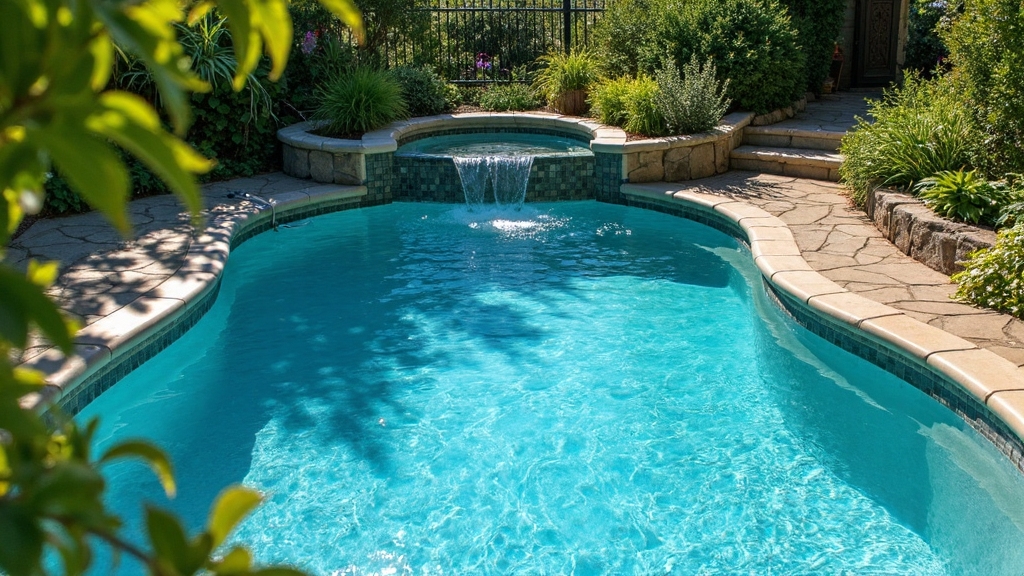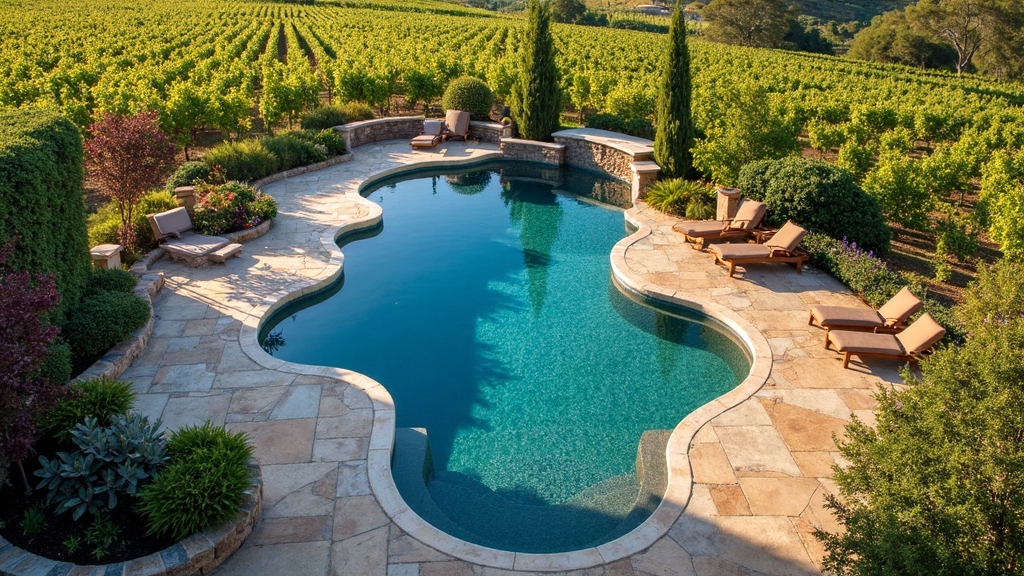



To handle pool algae in Sonoma’s warm climate, regularly test your water chemistry and maintain a pH level of 7.4 to 7.6. Employ regular brushing and run your filter for 8 to 12 hours daily. Shock your pool with chlorine treatments and use algaecides as necessary. Minimize nutrient accumulation by using pool covers to reduce sunlight and debris. If issues persist, it may be time to explore additional solutions to keep your pool clear and clean.
The Cliff Notes
- Regularly test and maintain water chemistry, keeping pH levels between 7.4 and 7.6 to prevent algae growth.
- Implement a consistent maintenance routine, including weekly brushing and running the filter for 8-12 hours daily, especially in summer.
- Use shock treatments to elevate chlorine levels to 10-15 ppm for 24 hours, effectively eliminating existing algae blooms.
- Apply targeted algaecides as needed and consider eco-friendly options to minimize chemical use and environmental impact.
- Cover the pool with solid or safety covers to block sunlight and debris, reducing nutrient accumulation and algae growth.
Understanding Algae Types Commonly Found in Pools
When it comes to pool maintenance, understanding the different types of algae commonly found in pools is vital for keeping your water clean and safe. The primary pool algae types include green algae, which clouds water and adheres to surfaces, and black algae, known for its stubborn dark spots requiring scrubbing. Yellow or mustard algae, often mistaken for dirt, thrives in warm conditions like those in Sonoma during summer. Additionally, pink algae, a type of bacteria, can appear in poorly sanitized pools. To prevent pool algae, regular maintenance is essential, including brushing surfaces and testing chemical levels. For treating pool algae, use appropriate algaecides and guarantee proper circulation and chlorine balance to eliminate and prevent future growth effectively.
Factors Contributing to Algae Growth in Sonoma
In Sonoma, the warm climate and high sunlight exposure create ideal conditions for algae growth in your pool. If your water is nutrient-rich due to organic debris, it can accelerate algae proliferation. Additionally, poor water circulation from inadequate filtration systems can lead to stagnant areas, further exacerbating the issue. Regular testing pool water is crucial to monitor chemical levels and prevent algae growth effectively.
Warm Climate Conditions
Given Sonoma’s warm climate, the combination of elevated temperatures and abundant sunlight creates an ideal environment for algae to thrive in pools. Higher water temperatures accelerate algae growth, especially in stagnant conditions caused by sporadic rain and sunshine. To effectively implement algae control in Sonoma pools, regular maintenance is essential. This includes brushing pool walls and ensuring proper water circulation to disrupt potential blooms. Additionally, high pH levels and low chlorine concentrations can exacerbate algae issues, making routine water chemistry testing critical. Organic debris from local vegetation can introduce nutrients that fuel algae growth if not regularly removed. By addressing these factors, you can enhance pool water algae solutions and maintain a cleaner, healthier swimming environment. Furthermore, maintaining proper chlorine levels is crucial to prevent the proliferation of algae and ensure effective sanitation in the pool.
Sunlight Exposure Levels
Although Sonoma’s sunny climate provides an inviting atmosphere for swimming, it also greatly contributes to algae growth in pools. With an average of 260 sunny days per year, the conditions are perfect for rapid algae proliferation. Here are key factors to take into account:
1. High UV Exposure: Increased sunlight can deplete chlorine levels quickly, reducing its effectiveness against algae.
2. Warm Water Temperatures: Elevated temperatures encourage algae reproduction, particularly in poorly circulated areas of the pool.
3. Stagnant Areas: Pools lacking proper circulation and flow are hotspots for algae formation under sunny conditions.
To combat these challenges, regular maintenance, including chemical balancing and brushing, is essential to guarantee your pool remains clean and inviting throughout the sunny seasons. Additionally, ensuring proper water circulation helps prevent stagnant areas where algae can thrive.
Nutrient-Rich Water
Sunny conditions not only facilitate algae growth through warmth and light but also contribute to nutrient-rich water, which greatly exacerbates the problem. In Sonoma, runoff from surrounding landscapes often introduces excess phosphates and nitrates into pools, creating an ideal environment for algae proliferation. High organic matter, such as leaves and dirt, decomposes in the water, further enriching it and providing a food source for algae. Inconsistent pool maintenance, characterized by inadequate filtration and chemical imbalances, can lead to stagnant areas where algae thrive. Additionally, seasonal fluctuations, particularly after rainstorms, can cause spikes in nutrient levels in pool water, increasing the likelihood of algae blooms if not promptly managed. Regular monitoring and maintenance are essential to mitigate these factors.
Signs of Algae Bloom in Your Pool
You’ll notice signs of an algae bloom in your pool through various indicators. Discoloration of the water—often green or cloudy—along with green or black spots on surfaces, can signal an urgent need for intervention. Additionally, a slimy texture on the pool walls and floors is a clear indication of algae growth that requires immediate attention.
Discoloration of Water
What signs indicate an algae bloom in your pool? Discoloration of the water is a primary indicator, manifesting as a green, brown, or yellow tint. This often points to an imbalance in water chemistry or insufficient sanitation. Here are three key signs to monitor:
1. Cloudy or Murky Water: This suggests excess algae growth, indicating your filtration system may not be effectively removing contaminants.
2. Visible Algae: A slimy film on the pool walls and floors can make your pool unsafe and uninviting.
3. Temperature Monitoring: Algae thrive in warm conditions, so keeping an eye on water temperature is essential, especially in Sonoma’s sunny climate.
If left untreated, these issues can escalate, necessitating more aggressive treatments.
Green or Black Spots
When you notice green or black spots forming on the surfaces of your pool, it’s a clear sign of an algae bloom that needs immediate attention. These spots indicate that algae thrive in the warm, sunny conditions typical of Sonoma’s climate. If not addressed quickly, algae can reproduce rapidly, leading to cloudy water and unsafe swimming conditions. To combat this, regularly brush your pool walls and floors to disrupt algae formation. Additionally, monitor your water chemistry—particularly pH and chlorine levels—since imbalances can promote algae growth. Implement shock treatments and algaecides to eliminate existing blooms and prevent future outbreaks, especially during the peak summer months when algae are most likely to flourish.
Slimy Pool Surfaces
Slimy pool surfaces are a telltale sign of an algae bloom, presenting not only a cleanliness issue but also a safety hazard for swimmers. In Sonoma’s warm climate, algae can proliferate quickly, forming slippery films on pool walls and floors. To effectively manage this issue, consider the following:
1. Regular Water Testing: Monitor pH and chlorine levels consistently; imbalances can foster algae growth.
2. Improve Circulation: Verify your pool’s circulation system is functioning properly to avoid stagnant areas where algae can thrive.
3. Preventative Maintenance: Implement regular brushing and shock treatments to disrupt potential algae formation before it manifests as slime.
Addressing these factors can help maintain a safe and clean swimming environment, preventing algae from becoming a persistent problem.
Preventative Measures to Keep Algae at Bay
To effectively prevent algae from taking hold in your pool, it’s vital to establish a consistent maintenance routine. Start by brushing the walls and floors at least once a week to disrupt algae formation. Guarantee your pool filter runs for 8-12 hours daily during summer, which promotes proper water circulation and eliminates stagnant areas. Maintain pH levels between 7.4 and 7.6, and keep alkalinity between 100 to 150 parts per million to create an unfavorable environment for algae. Implement shock treatments with chlorine or suitable algaecides before hot weather to eliminate early signs of growth. Regularly test your water chemistry using reliable kits for timely adjustments, which is essential in sunny climates like Sonoma County, where algae thrive.
Effective Chemical Treatments for Algae Removal
Effective chemical treatments are essential for eradicating algae and restoring your pool’s clarity. To effectively tackle algae growth, consider these key methods:
Effective chemical treatments are crucial for eliminating algae and regaining the clarity of your pool water.
1. Shock Treatments: Use chlorine or non-chlorine shock to elevate chlorine levels to 10-15 ppm for at least 24 hours, guaranteeing ideal algae kill rates.
2. Targeted Algaecides: Apply algaecides formulated for the specific type of algae you’re dealing with—be it green, yellow, or black—following the manufacturer’s instructions for maximum efficacy.
3. Maintain pH Levels: Confirm your water’s pH ranges between 7.4 and 7.6 before treatment, as this enhances the effectiveness of both chlorine and algaecides.
After treatment, run your pool filter continuously for 24-48 hours to eliminate dead algae and restore water clarity.
The Importance of Regular Pool Maintenance
While it may be tempting to overlook regular pool maintenance, doing so can lead to significant algae growth and other water quality issues. Consistent upkeep is vital in Sonoma’s warm climate. A proper routine not only keeps your pool clean but also inhibits algae formation.
| Maintenance Task | Frequency | Benefits |
|---|---|---|
| Vacuuming and Brushing | Weekly | Disrupts algae formation |
| Water Chemistry Testing | Weekly | Guarantees balanced pH and alkalinity |
| Filtration Operation | 8-12 hours/day | Prevents stagnant water |
| Shock Treatments | Monthly | Combats algae proactively |
| Skimming and Cleaning | Twice a week | Enhances filtration efficiency |
Using Pool Covers to Minimize Algae Growth
How can using pool covers help you keep algae at bay? In Sonoma’s sunny climate, pool covers are essential for minimizing algae growth by reducing sunlight exposure. Here are three key benefits:
1. Nutrient Limitation: Solid covers block sunlight and debris, preventing nutrient accumulation that supports algae blooms.
2. Organic Matter Control: Safety covers can stop organic matter from entering the pool, which is a primary cause of algae growth during warmer months.
3. Chemical Efficiency: Regularly using covers during inactive periods can considerably lower chemical usage and reduce the need for frequent shock treatments.
Eco-Friendly Alternatives for Algae Control
Pool covers are a great start for minimizing algae growth, but for thorough control, eco-friendly alternatives can be just as effective. Consider using eco-friendly algaecides that contain plant-based ingredients; they target algae without harming the ecosystem. Mineral sanitizers, which release natural minerals like copper and silver, can suppress algae growth while serving as a safer alternative to traditional chlorine. Saltwater chlorinators maintain water clarity and create a gentler environment for swimmers, reducing skin irritation and algae buildup. Ozone generators purify pool water by breaking down organic matter, further minimizing algae growth. Additionally, incorporating natural treatments like baking soda or vinegar can help balance water chemistry and deter algae without relying on harsh chemicals.
When to Seek Professional Help for Algae Issues
If you notice persistent algae growth despite your efforts to maintain the pool, it’s time to contemplate seeking professional help. Addressing algae issues can sometimes be complex, and professional intervention may be necessary when:
1. Visible algae persists: If algae growth continues despite regular cleaning and chemical adjustments, it indicates a deeper problem.
2. Unusual odors or colors: A strong green hue or strange smells in the water signal an algae bloom that may be beyond your DIY capabilities.
3. Filtration system inefficiency: If your filtration system malfunctions or shows signs of inefficiency, consulting a professional is crucial to prevent further algae development.
Taking these steps guarantees your pool remains clean and safe for use.
Frequently Asked Questions
What Temperature Kills Pool Algae?
To keep algae at bay, think of temperature as a double-edged sword. Generally, algae struggle to survive below 60°F, while water temperatures above 90°F can accelerate their growth. For effective eradication, temperatures around 65°F are ideal for shocking your pool with chlorine or algaecides. Maintaining a consistent balance is essential; even cooler water can still foster algae if conditions fluctuate. Regular testing and chemical adjustments are your best defenses against unwanted blooms.
What Is the Fastest Way to Get Rid of Algae in a Pool?
The fastest way to get rid of algae in your pool is by performing a shock treatment with chlorine. You’ll need to raise the chlorine level to at least 10 parts per million. After that, regularly brush the pool walls and floor to help the sanitizer penetrate effectively. Make sure to run your pump for 8-12 hours daily, and consider using a suitable algaecide for better results. Finally, balance your water chemistry to enhance chlorine efficiency.
Why Is Algae Growing so Fast in My Pool?
Did you know that algae can double in size every 24 hours under ideal conditions? If you’re noticing rapid algae growth in your pool, it’s likely due to warm water temperatures combined with high sunlight exposure, which accelerates chlorine loss. Poor circulation and stagnant areas can further exacerbate the problem, allowing algae to flourish. Inadequate filtration and organic debris also introduce nutrients, creating a perfect breeding ground for algae in your pool.
How Do I Keep Algae From Growing in My Pool?
To keep algae from growing in your pool, regularly brush the walls and floors to disrupt their formation. Make certain your filtration system runs for 8-12 hours daily to maintain proper water circulation. Test and balance your water chemistry, keeping pH levels between 7.4 and 7.6 and alkalinity between 100 to 150 ppm. Use a quality algaecide as a preventive measure and implement shock treatments after heavy usage or rain to eliminate potential algae growth.