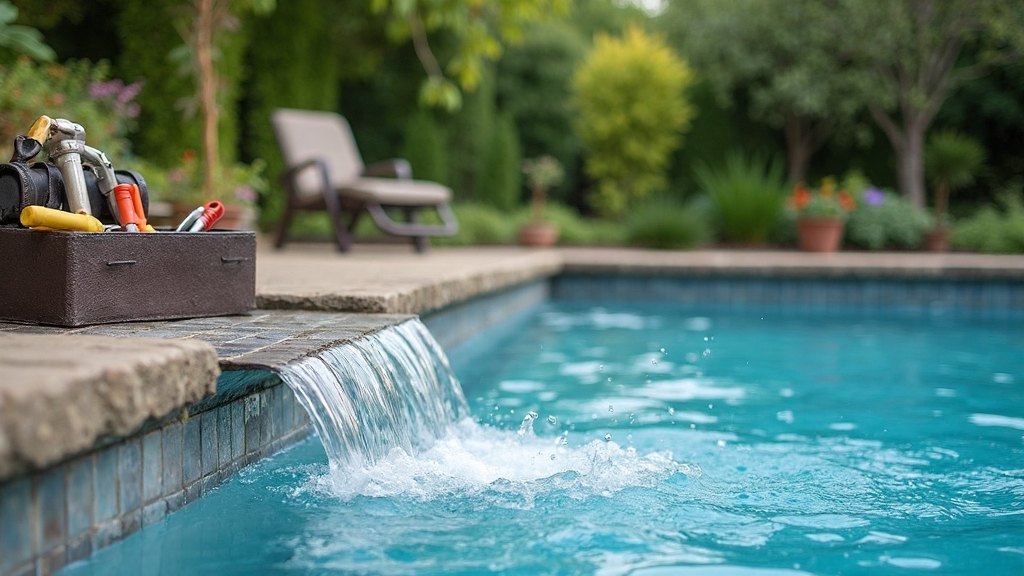


If your pool’s draining too fast, it could signal leaks, faulty skimmers, or excessive evaporation. Start by inspecting the skimmer for clogs or broken components. Check the pool structure for cracks, especially around fittings. Look at your plumbing system for leaks. Conduct a leak test to pinpoint issues. Proper maintenance can prevent many of these problems. Discover effective solutions and preventative tips to guarantee your pool remains in peak condition.
The Cliff Notes
- Inspect the main drain and skimmer for malfunctions or blockages, as they can cause excessive suction and rapid drainage.
- Check for leaks in the pool structure, plumbing lines, and fittings, as even small cracks can lead to significant water loss.
- Monitor evaporation rates, especially during hot weather, and maintain water levels to prevent unnecessary drainage.
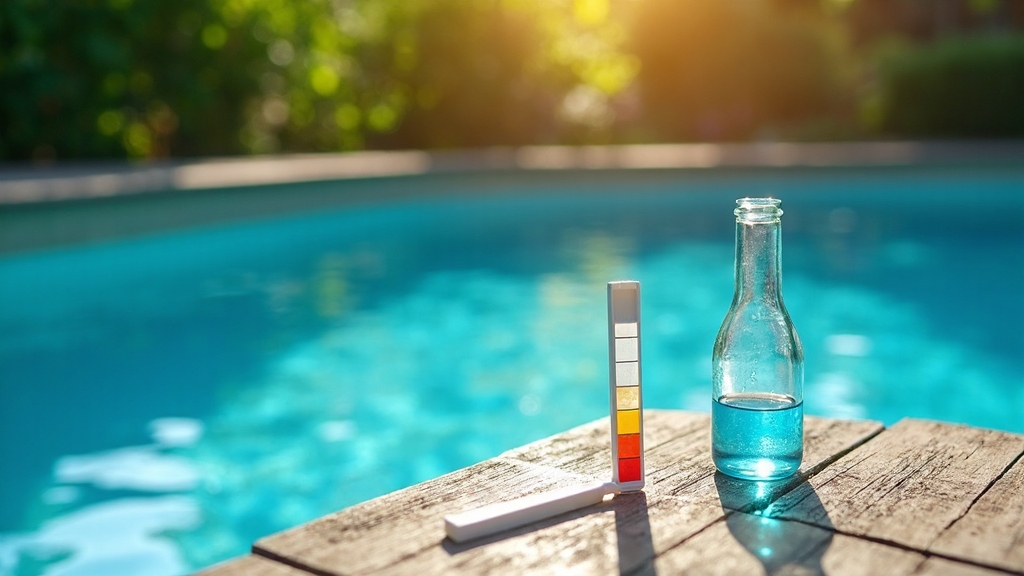
- Conduct dye tests around suspected leak areas to confirm leaks and target repairs effectively.
- Schedule regular maintenance and inspections to ensure all equipment is functioning properly and to prevent drainage issues.
Common Causes of Rapid Pool Drainage
When you notice your pool draining faster than usual, it’s essential to identify the common causes behind this issue. One major culprit is a malfunctioning or improperly installed main drain, which can create excessive suction, leading to rapid water loss. You should also consider leaks in the pool structure, such as cracks in the shell or plumbing lines, as these can greatly contribute to water loss, necessitating immediate pool leak detection and repair. High evaporation rates, particularly in hot weather or low humidity, can further exacerbate the perception of fast drainage. Additionally, a faulty skimmer or improper backwash settings can inadvertently drain more water than intended, complicating the process of fixing pool leaks. Regularly maintaining water chemistry is essential to prevent additional issues that can lead to rapid drainage.
Inspecting the Skimmer for Issues
When inspecting the skimmer, start with the basket; a clogged basket can greatly restrict water flow, leading to faster drainage. Next, check the weir door to confirm it’s functioning properly; if it’s stuck open, it could allow excess water to escape. Finally, verify all plumbing connections are secure to prevent any unwanted siphoning that may contribute to water loss.
Skimmer Basket Inspection
Although regular maintenance might seem tedious, inspecting the skimmer basket is vital for preventing unwanted water loss in your pool. A clogged skimmer basket can obstruct water flow, leading to a rapid pool water drop. To avoid your pool losing water in Sonoma, check the basket frequently for debris and clean it as needed. Additionally, inspect the skimmer housing for cracks or damage that may cause leaks. It’s also important to verify that the skimmer’s plumbing lines are clear of blockages; any issues here can noticeably affect water circulation and lead to excessive drainage. By regularly performing these checks, you can maintain efficient water levels and prevent unnecessary water loss from your pool. Regular cleaning of pool components is essential to ensure optimal functionality and prevent potential leaks.
Weir Door Functionality
To guarantee your pool maintains perfect water levels, regularly inspecting the weir door in the skimmer is essential. This component prevents water from draining too quickly when the pump is off, ensuring effective filtration and skimming. Check the weir door for debris, wear, or damage, as these issues can lead to excessive water loss. A properly functioning weir door should float on the water surface and return to its original position after the water level drops, indicating it seals correctly. If you notice it’s stuck or not operating effectively, it’s important to address the problem. In persistent cases, consider replacing the weir door to restore ideal skimming performance and prevent unnecessary water loss. Additionally, maintaining proper chemical balance is crucial for ensuring your pool remains clear and safe for swimming.
Plumbing Connections Check
A thorough plumbing connections check is vital for identifying potential issues with your skimmer that could lead to unwanted water loss. Start by inspecting the skimmer for any cracks or damage, particularly at the seals where it connects to the pool structure. Next, check the skimmer basket for debris; a clogged basket can disrupt water flow, causing it to drain faster than normal. Verify that the skimmer’s weir operates correctly, as a malfunctioning weir can also contribute to water loss. Additionally, examine the plumbing connections between the skimmer and the filtration system for any leaks. Regular cleaning and maintenance of the skimmer will help prevent build-up and optimize performance, minimizing the risk of draining issues.
Identifying Leaks in the Pool Structure
To effectively identify leaks in your pool structure, start with a thorough visual inspection of common leak locations like skimmers and return lines. You can also employ dye tests to pinpoint cracks and openings where water may be escaping. By using these techniques, you can address potential issues before they lead to significant water loss.
Visual Inspection Techniques
Identifying leaks in your pool structure begins with a thorough visual inspection of the pool shell. Look for cracks, chips, or signs of wear that may indicate structural leaks. Pay close attention to pool fittings, such as skimmers and return jets, checking for visible gaps or any pooling water that could suggest a leak. Examine the pool’s plumbing lines and connections for wet spots or erosion in the surrounding soil, which can signal water leakage. Inspect the pool deck for unusual settling or movement, hinting at water escaping from the structure. Finally, use food coloring or dye tests around suspected areas; if the dye is drawn into a crack or gap, it confirms the presence of a leak.
Common Leak Locations
After completing a thorough visual inspection, it’s important to pinpoint common leak locations within the pool structure. Start by checking the skimmer, main drain, return lines, and light fixtures, as these areas often experience wear and tear. Cracks in the pool shell or plaster, especially in older pools, can lead to significant leaks that may need professional assessment and repair. Don’t overlook the plumbing system—pipes and fittings can develop leaks from ground shifts or freeze-thaw cycles, so a thorough inspection is essential. Finally, examine the connections where the pool’s equipment meets the plumbing, like the pump and filter, ensuring seals and gaskets remain intact to prevent leaks. Regular maintenance is vital for all these areas.
Using Dye Tests
One effective method for locating leaks in your pool is by using dye tests, which utilize a colored dye to trace water movement. To perform a dye test successfully, follow these steps:
1. Ensure calm water: Conduct the test when the water is still to avoid disturbances.
2. Identify suspected areas: Focus on common leak locations like skimmer openings, light fixtures, and plumbing connections.
3. Introduce the dye: Slowly place the dye near these areas and watch closely.
4. Observe water flow: If the dye is drawn out, you’ve likely found a leak.
Dye tests are a non-invasive, cost-effective way to pinpoint leaks, allowing for targeted repairs and minimizing water loss.
Examining the Plumbing System
When examining the plumbing system of your pool, it’s essential to pinpoint potential leaks that could lead to rapid water loss. Start by inspecting pipes, fittings, and connections for any signs of cracks or damage. Regular checks for wear and tear can help prevent leaks that drain your pool unexpectedly. Make sure all valves are sealed and functioning correctly to avoid unintended drainage. Additionally, monitor for air in the plumbing lines, as this can create pressure imbalances, causing faster water loss. Maintaining proper water levels and addressing any air leaks is vital. Finally, commit to regular maintenance by cleaning and replacing worn components to minimize issues that could contribute to excessive draining.
Conducting a Leak Test
Identifying leaks in your pool requires a systematic approach, especially after ensuring your plumbing system is in good condition. Here’s how to conduct a leak test effectively:
1. Fill your pool to the middle of the skimmer and mark the water level with tape or a marker.
2. Wait 24 hours and check for significant water loss; a drop of more than 1/4 inch suggests a potential leak.
3. Perform a dye test by adding food coloring near suspected leak areas; if the dye is drawn out, it confirms a leak.
4. Inspect common leak points—like skimmer gaskets, main drain fittings, and return line connections—for visible signs of water loss.
If you suspect a leak but can’t see it, consider hiring a professional for pressure testing.
Preventative Maintenance Tips for Pool Owners
To guarantee your pool remains in ideal condition, it’s essential to implement a routine preventative maintenance plan. Start by regularly monitoring Total Dissolved Solids (TDS) levels; keep them below 2500 parts per million to maintain water quality. Schedule periodic inspections of equipment components like lights and gaskets to prevent costly replacements. Maintain the pool’s water level consistently; low levels can cause equipment overheating and failure. When draining, use a submersible pump correctly to avoid air intake, which can damage the pump and exacerbate draining issues. Finally, stay informed about local regulations regarding pool drainage to guarantee compliance and avoid fines. Following these steps can help you maintain your pool efficiently and prevent unexpected draining problems.
Frequently Asked Questions
Why Is My Pool Draining so Fast?
You watch the shimmering surface of your pool, but suddenly, it seems to dip alarmingly low. If your pool’s draining too fast, it could be due to cracks in the structure or a malfunctioning skimmer drawing water out. High evaporation rates, especially on hot days, can’t be ignored either. Regularly check your water levels and inspect for leaks to catch any issues early, ensuring your oasis remains inviting and full.
Why Is My Pool Draining Water but No Leak?
If your pool’s draining water but you can’t find a leak, it could be due to high evaporation rates, especially in hot or dry conditions. Another factor might be elevated Total Dissolved Solids (TDS), which can increase evaporation. Additionally, check your skimmer and return jets; improper function can create strong currents, pulling water out. Finally, verify your filtration system is working correctly, as malfunctioning equipment can inadvertently drain the pool. Regular monitoring’s essential.
Why Is My Pool Losing 2 Inches of Water a Day?
If you’re losing 2 inches of water a day, it’s essential to investigate further. This level of loss can indicate either high evaporation rates, especially in summer, or a hidden leak. Consider checking your pool’s environment; high temperatures and low humidity can exacerbate evaporation. If evaporation seems unlikely, conduct a dye test around potential leak sites. Regular inspections of your equipment can help identify issues before they escalate, so don’t neglect those checks!
How Do I Find Out Where My Pool Is Losing Water?
To find out where your pool’s losing water, start by inspecting the pool’s structure for visible leaks, such as cracks or damaged fittings. Next, conduct a bucket test: fill a bucket with water, place it on a step, and compare the water loss between the bucket and the pool. Check the plumbing system for leaks and consider using dye testing to confirm any suspected leak areas. Monitoring after heavy rains can also help distinguish natural evaporation from leaks.