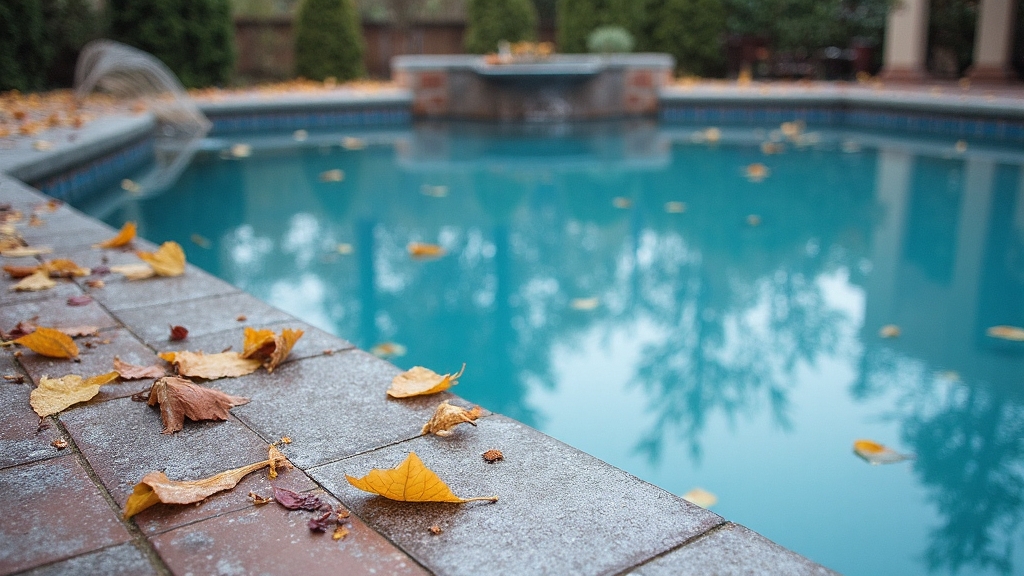



Winter pool maintenance in Sonoma is essential to prevent damage and guarantee cleanliness. Keep your water levels balanced and test chemical levels regularly, focusing on pH and chlorine to combat algae. Use a quality cover to keep debris out and consider lowering the water level below the skimmer to avoid freezing. Inspect your equipment for trapped water and monitor local temperatures. Want to know more about effective strategies for winterizing? Just keep going to find out!
The Cliff Notes
- Regularly test and balance water chemistry, focusing on pH, chlorine, and alkalinity to prevent algae and bacteria growth.
- Run the pool pump for about an hour daily to stabilize chemicals and prevent freezing in plumbing systems.
- Inspect pool equipment for trapped water and ensure pipes are protected from freezing temperatures.
- Use a suitable pool cover to minimize debris accumulation and enhance safety for children and pets.
- Consider hiring professionals for complex maintenance tasks and tailored advice specific to Sonoma’s climate conditions.
The Importance of Winter Pool Maintenance
While Sonoma’s winters may be mild, neglecting winter pool maintenance can lead to significant issues down the line. Proper cold season pool care in Sonoma is essential for protecting your investment. Making sure water levels and chemical balance are maintained prevents algae growth and bacteria, keeping the water clear and safe. Running your pool pump for about an hour daily helps circulate water and stabilize chemicals, minimizing the need for additional chlorine. Regularly inspect pool equipment to avoid trapped water, which can freeze and cause damage. Finally, learn how to winterize your pool in Sonoma by utilizing a cover to reduce debris accumulation and streamline spring maintenance. Additionally, balancing pool water chemistry before winterizing is crucial to prevent any potential issues in the spring. These steps collectively extend your pool’s lifespan and guarantee readiness for warmer months.
Choosing the Right Cover for Your Pool
When choosing a cover for your pool, you’ll need to take into account material options, size, and fit. Safety features are also vital, especially if kids or pets are around. Selecting the right cover guarantees effective protection and reduces maintenance efforts throughout the winter months. Additionally, consider the California pool fence code when evaluating safety measures for your pool area.
Cover Material Options
Choosing the right cover for your pool is essential, especially in Sonoma’s mild winters, as it can greatly impact maintenance and safety. Your choice of material affects off-season pool upkeep and overall efficiency. Here’s a quick comparison of common cover materials:
| Material | Pros | Cons |
|---|---|---|
| Polyethylene | Budget-friendly, lightweight | Less durable than other options |
| Mesh | Drains rain, keeps debris out | May not provide full safety |
| Reinforced Vinyl | High durability, safety features | Higher initial cost |
| Winter Tarps | Affordable, provides basic cover | Lacks safety features |
When considering winter pool tips in Sonoma County, weigh these options carefully to protect your pool effectively.
Size and Fit
Selecting the right size and fit for your pool cover is essential to guaranteeing ideal protection during the winter months. Start by measuring your pool dimensions accurately, including any irregular shapes. A cover that’s too large or small can compromise its effectiveness, allowing debris and weather elements to infiltrate. Consider the thickness and material of the cover; heavier, reinforced options provide better durability against harsh conditions. If your pool has unique features, consult with professionals or manufacturers about custom cover options to guarantee a secure fit. This will not only protect your pool but also maintain water quality and prevent algae growth throughout the winter. A proper-fitting cover is key to effective winter maintenance, as it helps to reduce evaporation and algae growth during the off-season.
Safety Features Considerations
While you may not be legally required to use a winter pool cover in Sonoma, opting for one with safety features is a wise investment. Safety pool covers are designed to support weight, preventing accidental entry and enhancing your property’s value. They also minimize debris accumulation and algae growth, making spring cleaning easier and reducing chemical and water usage. Although standard winter covers are cheaper, they lack these critical safety features, making safety covers a more thorough solution. When selecting a cover, verify it fits your pool’s shape and size, providing adequate protection for both children and pets. Investing in a safety cover now can save you time, effort, and costs in the long run.
Maintaining Water Chemistry During Winter
To keep your pool in top condition during winter, you need to test the water regularly. Adjusting pH levels and monitoring chlorine levels are essential to prevent imbalances that can lead to algae growth. Staying proactive now guarantees your pool remains clear and safe until spring.
Test Water Regularly
Maintaining proper water chemistry during winter is vital for keeping your pool safe and clear. You should test your pool water chemistry levels at least once a month. Focus on pH, chlorine, and alkalinity to prevent bacteria growth and guarantee clarity. Aim for pH levels between 7.2 and 7.8, while maintaining chlorine levels between 1-3 ppm for effective sanitation. Even if you don’t need to add chlorine frequently during winter, monitoring is important to avoid stagnation and algae growth due to reduced water circulation. Be sure to adjust pool chemicals as needed, especially after significant rain events that can dilute concentrations. Regular testing ensures your pool remains in prime condition for when warmer weather returns.
Adjust Ph Levels
As winter progresses, keeping your pool’s pH levels within the ideal range of 7.2 to 7.8 becomes increasingly important. Regularly testing your water chemistry at least once a month is essential, as lower temperatures can cause pH fluctuations.
You can adjust pH levels using the following methods:
| Adjustment Type | Chemical Used |
|---|---|
| Increase pH | Sodium Carbonate |
| Decrease pH | Sodium Bisulfate |
| Monitor TDS | Dilution or Draining |
| Frequency | Monthly |
Neglecting pH balance can lead to algae growth and cloudy water, resulting in more extensive cleaning when you reopen your pool in spring. Keep a close eye on TDS levels too, as they can affect overall water quality.
Monitor Chlorine Levels
Monitoring chlorine levels is vital during winter months, as colder temperatures can diminish chlorine’s effectiveness in controlling bacteria and algae. Even if you don’t need to add chlorine frequently, maintaining levels between 1-3 ppm is essential for guaranteeing water clarity and safety. Regular testing helps prevent algae blooms, which can still occur in cooler temperatures if your water chemistry isn’t balanced. Adjust chlorine based on your water tests to keep the pool safe for occasional use on warmer winter days. Consistent monitoring throughout the season not only maintains ideal water quality but also helps you avoid costly spring cleaning and maintenance. Stay proactive to safeguard your pool’s health and longevity during the winter months.
Protecting Pool Equipment From Freezing
To protect your pool equipment from freezing, it’s essential to inspect all pipes, filters, and pumps for any trapped water, as this can lead to costly damage when temperatures drop. Regularly monitor weather forecasts for temperatures below 30°F, and consider using freeze protection units to keep your equipment operational. It’s also vital to lower the water level below the skimmer line to prevent ice formation.
| Action | Purpose | Frequency |
|---|---|---|
| Inspect pipes and pumps | Prevent trapped water | Before winter |
| Use freeze protection units | Avoid equipment damage during cold snaps | As needed |
| Lower water level | Prevent ice damage to skimmer and structure | Before freezing temps |
Taking these steps will protect your investment throughout the winter months.
Preventing Algae Growth in Cold Weather
With your pool equipment secured against freezing, it’s time to shift focus to preventing algae growth during the colder months. Even in cooler temperatures, algae can thrive if conditions are right. Here are some key steps to keep in mind:
As winter approaches, prioritize algae prevention to keep your pool clean and healthy.
- Regularly test and balance your pool’s pH, chlorine, and alkalinity levels.
- Apply algaecide treatments before winter to create a **protective barrier**.
- Maintain a clean pool cover, promptly removing any debris.
- Run your pool pump for about an hour each day to keep **water circulating**.
Steps for Winterizing Your Pool
Winterizing your pool involves several essential steps to guarantee it remains in good condition during the colder months. First, lower the water levels below the skimmer line to prevent ice damage, especially since temperatures can drop below 30°F in Sonoma County. Next, drain all pool equipment, including filters and pumps, to avoid water freezing inside and causing costly damage. Apply winter chemical treatments, such as algaecide and shock, to keep algae at bay and maintain clarity. Cover the pool with a high-quality winter cover to block debris and minimize bacteria growth. Finally, run your pool pump for about an hour a day to ensure water circulation and prevent freezing in the plumbing system.
When to Seek Professional Help
When you’re unsure about the winterization process, it’s wise to seek professional help to guarantee your pool is adequately protected against freezing temperatures and potential damage. Consider hiring experts if you encounter the following situations:
- **Complex equipment inspection**: Professionals can assess filters and pumps, spotting issues you might miss.
- **Tailored advice**: They provide guidance specific to Sonoma’s climate and your pool’s needs.
- **Significant algae issues**: Experts can effectively handle major cleaning challenges, preventing further complications.
- **Time-saving convenience**: Letting professionals manage winterization frees you up for other winter preparations.
Frequently Asked Questions
What Do I Need to Do to My Pool for Winter?
You might think winter means letting your pool sit idle, but that’s a risky theory. Start by lowering the water level below the skimmer to prevent freezing damage. Regularly check your pool cover, ensuring it’s clear of debris and water. Monitor the chemical balance to fight algae growth, and inspect all equipment for trapped water. Running the pump for about an hour daily helps maintain circulation and protect your investment from winter hazards.
Does an Inground Pool Really Need to Be Covered During Winter?
Yes, covering your inground pool during winter is highly recommended. It keeps dirt, debris, and leaves out, preventing unsanitary conditions and algae growth. An uncovered pool can attract insects and bacteria, complicating spring maintenance. A cover acts as a barrier, helping maintain water levels and chemical balance. Although safety covers might be pricier, they provide year-round protection and enhance your pool area’s aesthetic, potentially increasing your property’s value.
Do I Need to Winterize My Pool in California?
When winter whispers its chill, you might wonder if you need to tuck your pool in for a long nap. In California, it’s usually not necessary to winterize, especially with milder temperatures. However, keep an eye on forecasts—if nights dip below 30°F, you should take precautions. Maintaining water levels and chemical balance is vital to prevent algae. Consulting a professional can help guarantee your pool stays healthy through the colder months.
Do I Need to Put Chemicals in My Pool During the Winter?
Yes, you do need to put chemicals in your pool during winter. Even with reduced water circulation, maintaining proper water chemistry is vital. You should periodically test the water and adjust chemicals as needed to keep the balance right. Adding winter-specific treatments, like algaecide, can help prevent algae growth. Regular monitoring throughout the season will guarantee your pool remains clear and safe, preventing issues caused by stagnant water.