

During pool construction, expect a structured process over several weeks. It starts with planning, design, and budgeting, followed by obtaining permits and HOA approval. You’ll then see excavation and site grading, leading to the pool shell installation. After that, plumbing and electrical work gets done before the decking and hardscape are added. Finally, finishing touches are applied, ensuring everything’s ready for use. Keep following along to learn more about the journey of your pool project!
The Cliff Notes
- The planning phase takes 1 to 4 weeks, involving consultations, design drafting, and budget management to set the project foundation.
- Permit acquisition can take 2 to 8 weeks, requiring thorough documentation to comply with local building codes and avoid delays.
- Excavation and site grading start 3 to 7 days after permit approval, with the shell installation varying in time based on material choice.
- Plumbing and electrical work lasts 1 to 2 weeks, ensuring all necessary connections for operation and safety regulations are met.
- Final finishes, hardscaping, and inspections prepare the pool for operation, providing essential maintenance guidance for long-term care.
Planning, Design & Budgeting
When you commence on building a pool, the planning, design, and budgeting phase is vital, as it sets the foundation for the entire project. This phase typically lasts between 1 to 4 weeks, allowing sufficient time for homeowner consultations and design drafting. You’ll start by conducting soil checks to verify site suitability and determining your overall budget to manage costs effectively. If you’re opting for a straightforward fiberglass shell, mapping can be completed in just a few days, but custom gunite pools require more time for detailed engineering. Finalizing your design early is important to minimize potential delays during the construction stages. Engaging professionals for consultations can streamline the process, enhancing your overall project satisfaction. It’s also crucial to consider pool chemical balance during the planning phase to ensure safe swimming conditions once the pool is completed.
Permits and HOA Approval
When you’re ready to start your pool project, understanding the necessary documentation requirements is essential for a smooth approval process. Keep in mind that the timeline for approvals can vary considerably, especially if your area has strict regulations or if your HOA requires additional steps. Getting these permits sorted out upfront will help prevent delays and keep your construction schedule on track. Additionally, be sure to comply with the California Pool Fence Code to ensure your pool meets safety standards.
Necessary Documentation Requirements
What documents do you need before breaking ground on your new pool? First, you’ll need to secure the necessary permits from local authorities, which can take 2 to 8 weeks depending on your area’s regulations. Be prepared for potential delays, especially if you live in urban areas with stricter building codes. Additionally, don’t forget to check with your Homeowners Association (HOA) for any required approvals, as this can further extend the timeline. Missing or incomplete documentation can derail your pool project schedule, pushing back the start of construction. During the pool build process Sonoma, guarantee you have all required documentation in order to avoid setbacks in your week by week pool construction timeline.
Timeline for Approvals
How long can you expect to wait for the necessary approvals before your pool construction can begin? The permitting and HOA approval phase typically takes between 2 to 8 weeks, influenced by your local building department’s response times and project complexity. In urban areas, expect potential delays due to stricter codes. No construction can start without these approvals. To avoid setbacks, consider the following:
1. Engage with your HOA early: Initiating discussions can help streamline the approval process.
2. Ensure all documentation is complete: Missing paperwork can greatly extend your wait time.
3. Monitor local building codes: Understanding these can prevent compliance issues that lead to delays.
Excavation and Site Grading
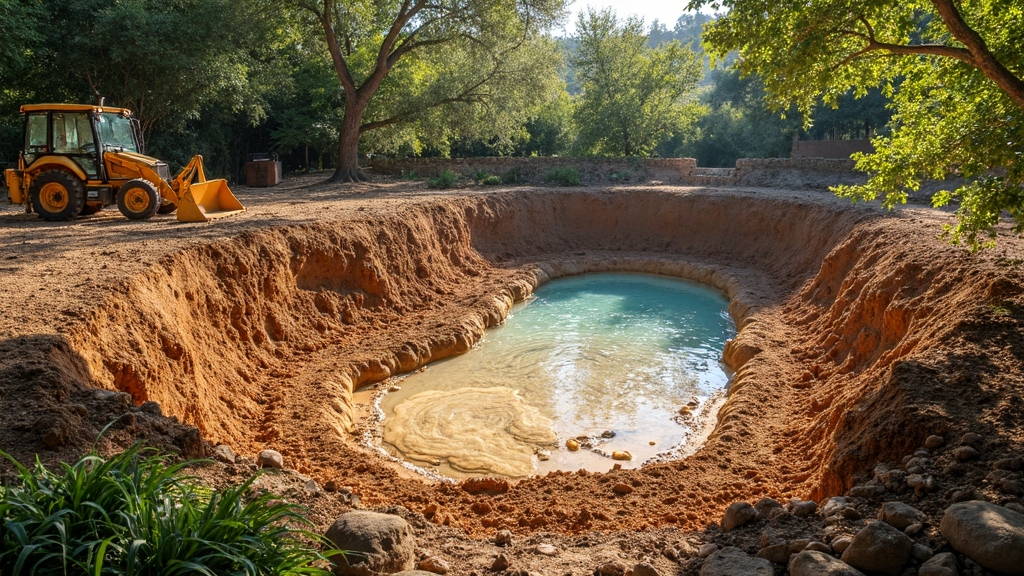
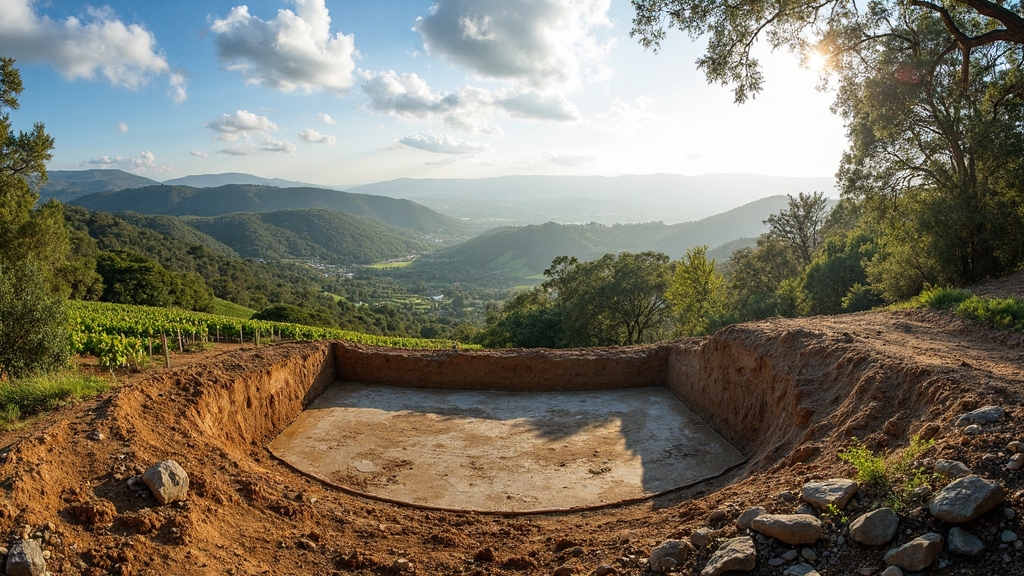
Excavation and site grading mark the essential beginning of your pool construction journey. Typically, this phase kicks off within 3 to 7 days after you’ve secured your permits. The digging process is usually quick, often finished within a week, unless you encounter challenges like rocky soil or high water tables. Site grading is vital, ensuring your pool’s proper installation and effective drainage. Proper preparation during excavation sets a solid foundation for the next steps, like shell installation and plumbing. However, be prepared for potential delays if unexpected underground issues arise. Staying informed about this phase can help you manage expectations and reduce stress as your vision of a new pool begins to take shape.
Pool Shell Installation
Now that your excavation is complete, it’s time to focus on the pool shell installation. You’ll need to evaluate the different shell material options available, such as fiberglass, gunite, or vinyl-liner, each with its own installation techniques and timelines. Understanding this phase will help you anticipate the next steps and guarantee your pool’s structural integrity is up to par.
Excavation Preparation Process
Once permits are in hand, you’ll find that the excavation preparation process is the first important step toward your new pool. This phase typically takes about 3 to 7 days, depending on site conditions. Here’s what to expect:
1. Site Grading: Guarantees a level area for your pool, accounting for any obstacles like rocky soil.
2. Excavation: Digging the pool’s shape and depth, which is essential for proper installation.
3. Plumbing Installation: Trenches are dug for water lines and drains, usually requiring an additional week.
Proper preparation during this phase is critical for the structural integrity and long-term functionality of your pool, so make certain everything’s in place before moving to shell installation.
Shell Material Options
Choosing the right shell material for your pool is crucial, as it greatly impacts both the installation process and the long-term enjoyment of your investment. Here are the main options to evaluate:
| Material | Installation Time | Considerations |
|---|---|---|
| Fiberglass | 1 day (shell) + 7-10 days (plumbing) | Quick installation, durable |
| Gunite/Shotcrete | ~2 weeks (shell) + 7-14 days (curing) | Highly customizable, longer process |
| Vinyl-Liner | Quick assembly, variable delays | Affordable, requires precise fitting |
Each material has its pros and cons. Fiberglass offers speed, while gunite provides flexibility in design. Vinyl is budget-friendly but needs careful installation. Choose wisely to guarantee your pool meets your needs.
Installation Techniques Explained
Understanding the various installation techniques for pool shells is essential to guaranteeing a smooth construction process. Each method has its unique timeline and requirements, so here’s a quick overview:
1. Fiberglass Pools: These shells are installed in a single day due to their pre-manufactured design, allowing for quick assembly on-site. However, expect an additional 7 to 10 days for plumbing and backfilling.
2. Vinyl-Liner Pools: This technique involves installing panels and fitting the liner, which can take longer depending on the complexity of your layout.
3. Gunite/Shotcrete Pools: This method is more complex, as the concrete is sprayed into place, requiring about two weeks to cure properly before proceeding to the next steps.
Understanding these methods helps guarantee your project stays on track.
Plumbing and Electrical Work
As you move into the plumbing and electrical phase of pool construction, it’s important to know what to expect. This stage typically lasts 1 to 2 weeks and involves installing water lines, lighting, and drainage systems. You’ll see trenches dug to accommodate these lines, with electricians and plumbers often working side by side to keep the process efficient. Coordination between the two is essential to guarantee all systems integrate seamlessly. During this phase, an equipment pad will also be set up to house the pool’s mechanical components, promoting effective circulation and filtration. Don’t forget, the installation must be inspected and approved before moving on to the next phase, confirming safety and compliance with local codes.
Decking, Coping, and Hardscape
Once the plumbing and electrical work is complete, the focus shifts to decking, coping, and hardscape, which typically takes about 2 to 4 weeks to finalize. This phase involves several key components that enhance your pool area:
1. Coping Installation: Setting coping stones around the pool edge provides a finished look and prevents water runoff.
2. Decking Choices: You’ll select materials like concrete, pavers, wood, or composites, each offering unique aesthetics and durability for walking and lounging.
3. Hardscaping Elements: Incorporating patios, walkways, and retaining walls during this phase not only enhances functionality but also complements the overall design.
Ensuring proper drainage and leveling is essential to prevent water pooling and create a safe, enjoyable environment around your pool.
Final Finishes and Cleanup
With the decking, coping, and hardscape complete, you’re now entering the final finishes and cleanup phase, which typically lasts around 2 to 3 weeks. During this time, your pool will receive its interior finishes, such as plaster, tiles, or aggregate, giving it that polished look. Landscaping and decking enhancements will also be added, improving both functionality and aesthetics.
Once the finishes are applied, a final inspection will be conducted to guarantee all safety regulations are met before filling the pool with water. This process may take several hours to a few days, depending on your pool size. Finally, once everything’s operational, you’ll receive guidance on maintenance to ensure your pool remains in top condition for years to come. Proper water chemistry is crucial for maintaining clean and balanced water in your new pool.
Frequently Asked Questions
What Are the Stages of Pool Construction?
When you think about the stages of pool construction, it starts with planning and design, where you’ll finalize your layout and permits. Next, excavation prepares the site, followed by the installation of the pool shell. Once that’s in place, plumbing and electrical work are done to guarantee functionality. Finally, finishing touches like plastering and landscaping complete the project, leading to the final inspection before you can enjoy your new pool.
What Is the Most Expensive Part of Building a Pool?
When you plunge into pool construction, the most expensive part is usually the excavation and pool shell construction. This phase can account for 30-50% of your overall costs, especially if you’re opting for a custom design like gunite. Even with fiberglass pools, site preparation and installation can add up, often totaling between $30,000 and $60,000. Don’t forget that features like upgraded decking can further inflate your budget, making planning essential.
How Many Weeks Does It Take to Build a Pool?
It usually takes about 6 to 12 weeks to build a pool, depending on the type and complexity. Fiberglass and vinyl-liner pools are quicker, averaging 6 to 8 weeks, while gunite/shotcrete pools may take 8 to 12 weeks due to curing. Various factors can impact the timeline, including permit approvals and weather conditions. Staying informed about each phase can help you manage expectations and minimize stress during the construction process.
What Happens if It Rains During Pool Construction?
If it rains during your pool construction, you might face delays, especially during excavation and plastering. Wet conditions can affect soil stability and make it tough for machinery to access the site. Rain during the curing phase of concrete can also lead to surface issues, requiring extra work. Your builder will likely communicate adjustments to timelines, so stay in touch to manage expectations and guarantee the project stays on track despite the weather.