

As a Sonoma homeowner, maintaining proper pool water chemistry is vital for a safe swimming environment. Aim for a pH of 7.4 to 7.6 and alkalinity between 100 and 150 ppm to guarantee clarity and sanitation. Regular testing is essential, especially with seasonal changes, to adjust sanitizer levels and manage calcium hardness. Keep an eye on common issues like green or cloudy water. Discover effective solutions and best practices to keep your pool in top shape.
The Cliff Notes
- Maintain a pH level of 7.4 to 7.6 to prevent equipment corrosion and skin irritation.
- Keep alkalinity between 100 to 150 ppm to stabilize pH and avoid imbalances.
- Regularly test sanitizer levels; ideal chlorine is 1-3 ppm, while bromine is 3-5 ppm.
- Monitor calcium hardness, aiming for 175 to 225 ppm to protect pool surfaces and equipment.
- Adjust chemistry after rain, as dilution can disrupt balance and promote algae growth.
Understanding Ph Levels and Their Impact on Pool Water
Understanding pH levels is vital for maintaining a safe and enjoyable swimming environment. The ideal pH range for pool water is between 7.4 and 7.6, which guarantees swimmer comfort and peak chlorine effectiveness. A low pH can corrode pool equipment and irritate eyes, while a high pH may cause skin dryness and reduce sanitation efficiency. Regular DIY pool water testing is important, as environmental factors and swimmer activity can cause fluctuations. Balancing pool pH often requires precise adjustments, like adding sodium bicarbonate for low pH or muriatic acid for high pH, based on your pool size. Maintaining pH balance accounts for about 75% of overall pool water chemistry basics, making it essential for water clarity and surface protection. To enhance water quality, water circulation through effective pump and filter systems is also crucial.
The Importance of Alkalinity in Maintaining Water Balance
Alkalinity serves as an essential buffer in pool water, stabilizing pH levels and preventing sharp fluctuations that can lead to discomfort for swimmers and potential damage to your pool equipment. The ideal alkalinity range is between 100 to 150 parts per million. Low alkalinity can cause pH imbalances, resulting in eye and skin irritation and risking your equipment’s integrity. Regular testing is vital, as alkalinity influences 75% of pool chemistry balance. When adjusting alkalinity with sodium bicarbonate, keep an eye on pH levels, as they often shift together. If alkalinity is too high, use muriatic acid or a pH decreaser to restore balance, ensuring your chlorine levels in Sonoma remain effective and your pool stays inviting. Additionally, maintaining balanced alkalinity helps in preventing pool corrosion, which protects your valuable pool equipment. Refer to your pool chemical guide for specific adjustments.
Sanitizers: Types and Their Role in Pool Maintenance
When it comes to keeping your pool safe and clean, understanding the different types of sanitizers is essential. Chlorine and bromine are the most common options, each with unique advantages and drawbacks. Additionally, alternative sanitizing methods like UV systems and ozone generators can enhance water quality while reducing chemical use. Utilizing the right filtration system is crucial for effective pool sanitation and maintaining overall water quality.
Chlorine vs. Bromine
Choosing the right sanitizer for your pool can greatly impact both water quality and swimmer comfort. Chlorine is the most commonly used sanitizer, effectively killing bacteria and controlling algae, with ideal levels between 1 and 3 ppm. However, it can have a strong odor and lead to skin and eye irritation. In contrast, bromine serves as a gentler alternative, maintaining effectiveness at higher pH levels and in warmer water, making it popular for indoor pools and hot tubs. Bromine’s recommended levels are typically between 3 and 5 ppm. While chlorine dissipates quickly in sunlight, requiring more frequent additions, bromine lasts longer but tends to be more expensive. Regular testing of both sanitizers is essential for effective pool maintenance.
Alternative Sanitizing Methods
What options do you have beyond traditional sanitizers like chlorine and bromine for maintaining pool hygiene? Consider saltwater systems, which convert salt into chlorine via electrolysis. This method provides a gentler sanitizing experience, often requiring fewer chemical additions. Alternatively, UV systems and ozone generators offer non-chemical sanitization by using light or ozone to eliminate pathogens. While effective, these methods typically work best alongside chlorine or bromine to guarantee thorough sanitation. Bromine remains a viable alternative, especially in warmer environments, due to its stability and reduced odor. Regardless of your choice, regular testing of sanitizer levels is essential to prevent water quality issues and protect swimmers’ health.
Testing Your Pool Water: DIY Methods and Tools
Although maintaining balanced pool water is essential for swimmer safety, testing it doesn’t have to be complicated. Here are three effective DIY methods to test your pool water:
1. Liquid Test Kits: These kits provide accurate readings for pH, chlorine, and alkalinity. Just follow the included instructions for precise results.
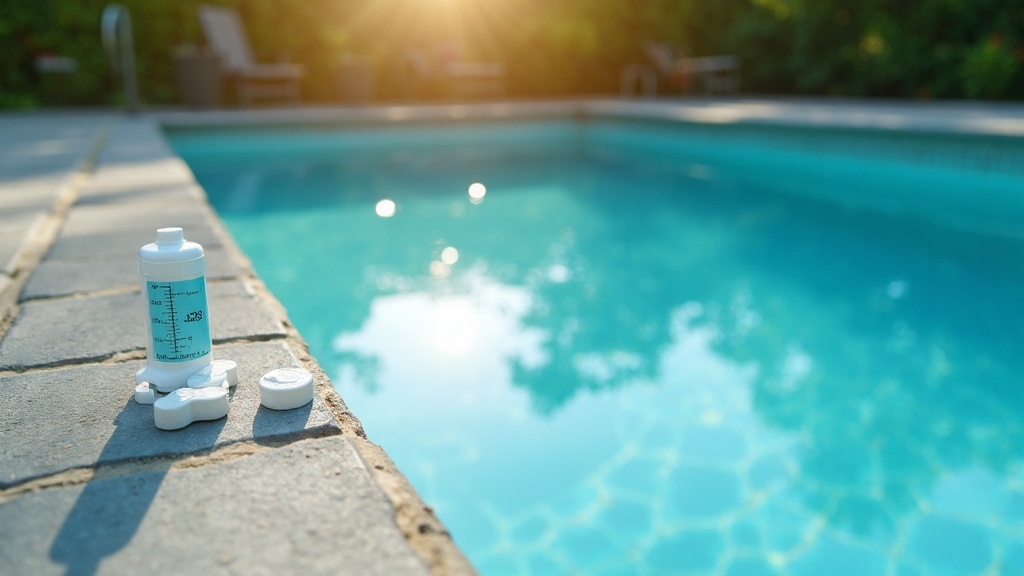
2. Test Strips: Quick and easy, test strips allow you to check multiple parameters in seconds. Simply dip a strip into the water and compare the colors to the chart.
3. Professional Analysis: If you’re unsure, take a water sample to your local pool store for a thorough examination tailored to your pool’s specific needs.
Regular testing, ideally once a week during swimming season, guarantees a safe and enjoyable swimming environment.
Adjusting Ph and Alkalinity: Step-By-Step Guide
To guarantee your pool remains safe and enjoyable, it’s crucial to understand and adjust pH and alkalinity levels effectively. You’ll need to regularly test these parameters, as they directly influence each other and overall water quality. This guide will walk you through the steps needed to adjust both pH and alkalinity correctly.
Understanding Ph Levels
Understanding pH levels is essential for maintaining a safe and enjoyable swimming environment, as improper balance can lead to discomfort and damage. The ideal pH range for your pool water is between 7.4 and 7.6. Here’s how to adjust pH levels effectively:
1. Test Regularly: Use liquid kits or strips to check pH and alkalinity frequently.
2. Raise Low pH: If your pH is too low, add a pH increaser to elevate the levels.
3. Lower High pH: For high pH levels, use a pH decreaser, like muriatic acid, to bring it down.
Adjusting Alkalinity Correctly
When adjusting alkalinity, it’s important to start with accurate testing to avoid imbalances that can affect your pool’s water chemistry. Use liquid kits, strips, or local pool store services to determine your pool’s current pH and alkalinity levels. If both are low, add an alkalinity increaser, specifically sodium bicarbonate, to effectively raise alkalinity and stabilize pH levels. Conversely, for high pH and alkalinity levels, use muriatic acid or a designated pH decreaser to bring them down to the ideal range. Maintain an alkalinity range of 100 to 150 parts per million, as it helps buffer and stabilize pH. After adjustments, regularly recheck the water chemistry to verify desired alkalinity and pH levels are achieved and maintained.
Testing Methods Explained
Accurate testing of pH and alkalinity is essential for maintaining a healthy pool environment. To guarantee your pool chemistry is balanced, follow these steps:
1. Choose Your Testing Method: Use either liquid test kits or test strips for quick, accurate readings.
2. Check the Levels: The ideal pH should be between 7.4 and 7.6, while alkalinity needs to be between 100 to 150 parts per million.
3. Adjust as Necessary: If both levels are low, add sodium bicarbonate; for high pH, use muriatic acid to lower it.
After adding any chemicals, recheck your levels after a few hours. Regular testing and adjustments will help prevent water quality issues and extend the life of your pool surfaces and equipment.
Managing Calcium Hardness for Optimal Pool Health
To maintain ideal pool health, managing calcium hardness is vital, as it directly influences the longevity of your pool surfaces and equipment. Calcium hardness measures the concentration of calcium in your pool water, with an ideal range between 175 and 225 parts per million. Low calcium levels can lead to deterioration, while high levels result in unsightly scaling. Although calcium hardness remains relatively stable, it’s important to check it regularly, especially at the season’s start. Be cautious with calcium hypochlorite shock, as it can inadvertently increase calcium levels. Regular testing guarantees your pool remains balanced, protecting both swimmers and equipment from potential damage. Adjusting calcium hardness promptly will help maintain a healthy swimming environment.
Common Pool Water Problems and Their Solutions
While maintaining a pool can seem straightforward, various water problems can arise that require prompt attention to guarantee a safe and enjoyable swimming environment. Here are three common issues you might encounter and their solutions:
1. Green Water: Caused by algae growth, combat this with algaecide and verify chlorine levels are maintained, especially in hot weather.
2. Cloudy Water: This often results from imbalanced pH and alkalinity. Aim for a pH between 7.4 to 7.6 and alkalinity of 100 to 150 ppm for clarity.
3. Scaling: High calcium hardness can lead to scaling. Keep calcium levels between 175 and 225 ppm and test regularly to prevent buildup.
Regular testing and adjustments are essential to maintain your pool’s health and swimmer safety.
Seasonal Considerations for Pool Water Chemistry
Seasonal temperature fluctuations can greatly impact your pool water chemistry, affecting sanitizer levels and pH balance. Additionally, rainwater can introduce contaminants that alter alkalinity and clarity, requiring prompt adjustment. Proper winterizing practices are essential to protect your pool from freeze damage and maintain water quality during the off-season.
Temperature Fluctuations Impact Chemistry
As temperatures fluctuate throughout the year, they can have a profound effect on your pool’s water chemistry. To maintain a balanced pool, keep these key points in mind:
1. Chlorine Levels: Warmer water accelerates chlorine depletion, so test and adjust your chlorine levels more frequently during summer.
2. Algae Growth: Higher temperatures can spur algae blooms; guarantee your pH and alkalinity are properly maintained to prevent these issues.
3. Chemical Activity: Colder months decrease chemical activity, necessitating winterization to avoid algae growth and ice damage.
Regularly monitor calcium hardness, which should stay between 175 and 225 parts per million. Adjusting your chemical doses according to seasonal temperature changes will help keep your pool water balanced and safe for swimming.
Seasonal Rainwater Effects
Rainwater can greatly impact your pool’s water chemistry, often leading to challenges in maintaining balance. When it rains, the dilution of pool water can markedly decrease chlorine levels, causing an imbalance in pH and alkalinity. This necessitates more frequent testing and adjustments. Additionally, rain can introduce contaminants and organic materials, promoting algae growth and requiring extra algaecides and treatments. After heavy rainfall, monitor calcium hardness closely; diluted calcium levels can lead to softer water, risking corrosion of your pool surfaces and equipment. Be sure to check for changes in water levels as well; overflowing can result in chemical loss and instability, especially if the water rises above the skimmer line. Proper circulation and filtration are essential post-rain to restore balance.
Winterizing Pool Practices
To effectively winterize your pool, it’s essential to lower the water levels below the skimmer line, which prevents ice damage to pipes and the pool structure during freezing temperatures. Follow these steps for ideal results:
1. Drain Equipment: Remove all water from filters, pumps, and heaters to avoid freezing damage.
2. Apply Winter Chemicals: Use an algaecide to inhibit algae growth and maintain water clarity while the pool is idle.
3. Check Water Chemistry: Verify pH and alkalinity levels are balanced before closing to prevent corrosion or scaling upon reopening.
Finally, covering your pool with a quality cover protects against debris and reduces spring cleaning efforts, guaranteeing your pool is ready for a smooth re-opening when warmer weather arrives.
Engaging Local Resources for Pool Care Support
How can you guarantee your pool remains in peak condition amidst Sonoma County’s unique climate challenges? Engaging local resources is key. Start by visiting nearby pool supply stores, where experts can provide tailored advice on maintaining ideal water chemistry. Joining community pools and clubs gives you access to shared knowledge and effective techniques for chemical balance. Additionally, local online forums and social media groups can be invaluable for troubleshooting and exchanging best practices. Consider participating in workshops hosted by pool service professionals to deepen your understanding of essential water chemistry concepts. Finally, take advantage of municipal water testing services to accurately assess and adjust your pool’s chemical levels, ensuring a safe and inviting swimming environment year-round.
Best Practices for Year-Round Pool Maintenance
While maintaining your pool may seem challenging, adhering to best practices year-round can simplify the process and guarantee ideal water quality. Here are three key actions to keep in mind:
1. Regular Testing: Test your pool water chemistry weekly, aiming for a pH of 7.4 to 7.6 and alkalinity between 100 to 150 parts per million. This helps prevent damage and assures swimmer safety.
2. Consistent Cleaning: Skim daily, vacuum weekly, and brush the walls to remove debris and prevent algae growth, keeping your water clear.
3. Proper Filtration: Run your filter system for 8-12 hours daily during summer to enhance circulation and avoid stagnation, which can lead to quality issues.
Frequently Asked Questions
What Should My Pool Water Chemistry Be?
You might think pool water chemistry is just a minor detail, but it’s essential for a safe swimming experience. Your pool’s pH should be between 7.4 and 7.6, alkalinity between 100 and 150 parts per million, and calcium hardness between 175 and 225 parts per million. Regularly testing these levels helps maintain balance and prevents issues like skin irritation or equipment damage. Keeping these factors in check guarantees a clean, enjoyable swimming environment.
What Are the Rules for Residential Swimming Pools in California?
In California, residential pools must meet specific safety standards. You need a barrier like a 5-foot high fence, pool cover, or alarm on the access door. The water must be chemically balanced, maintaining pH levels between 7.2 and 7.8 and at least 1 ppm of free chlorine. It’s crucial to have proper drainage to prevent stagnation, and keeping maintenance logs is encouraged to guarantee ongoing compliance and safety for all users.
How to Maintain Pool Water Chemistry?
Maintaining pool water chemistry is like balancing a delicate symphony—every element must be in harmony. You’ll want to regularly test and adjust pH, alkalinity, and calcium hardness for ideal results. Aim for a pH of 7.4 to 7.6 and alkalinity between 100 to 150 ppm. Use sodium bicarbonate to raise low levels and muriatic acid to lower high levels. Keep an eye on environmental factors; they can throw things off balance quickly!
What Chemical Do I Put in My Pool First?
When you’re adjusting your pool’s chemistry, start with testing the pH and alkalinity levels. If the pH is low (below 7.4), use a pH increaser like sodium carbonate. If it’s high (above 7.6), add a pH decreaser like muriatic acid. After balancing pH, adjust alkalinity to between 100-150 ppm with an alkalinity increaser if needed. Only after these adjustments should you add your sanitizer to maintain water quality effectively.