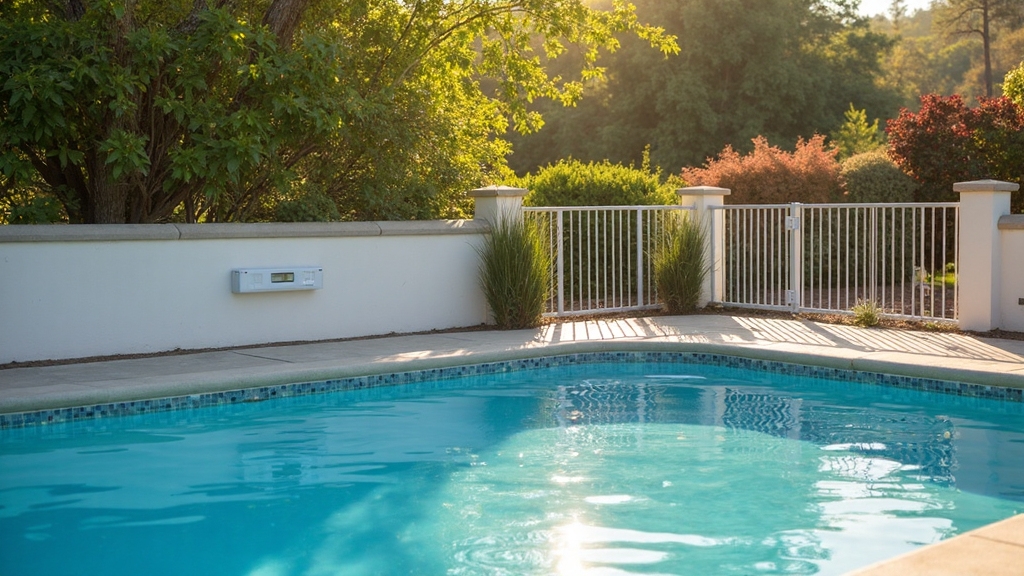



To keep your family safe around the pool, you need several child-safe features. First, install a four-sided fence that’s at least four feet high with self-closing gates. Use safety covers to prevent falls and access when the pool’s not in use. Don’t forget alarms to alert you of any pool activity. Equip your pool area with lifesaving devices and make sure everyone knows proper safety rules. Learn more about these critical elements for maximum protection.
The Cliff Notes
- Install a four-sided fence at least four feet high with self-closing, self-latching gates to prevent unauthorized access.
- Use a safety pool cover that can support a child’s weight and check it for wear before each season.
- Equip the pool area with alarms that alert you to any unauthorized entry or water movement.
- Keep lifesaving equipment like life rings and CPR kits easily accessible and regularly inspected for readiness.
- Educate family members on water safety, swimming skills, and establish clear emergency procedures for pool use.
Importance of Pool Safety for Families
When it comes to keeping your little ones safe, pool safety is not just important—it’s essential. Drowning remains a leading cause of accidental death for children ages 1 to 4, so implementing effective safety measures for pools is critical in family environments. In Sonoma, using pool safety features like fences, alarms, and covers can reduce drowning risks by up to 83%. These barriers, combined with constant supervision, are crucial for ensuring family pool safety. The CDC recommends multiple layers of protection, including educating all family members on water safety practices and emergency response techniques like CPR. By prioritizing these safety measures, you can create a safer swimming experience that helps protect your children from potential dangers. Additionally, California’s Swimming Pool Safety Act emphasizes the importance of mandatory safety features for all pools to further enhance protection against drowning incidents.
Essential Fencing and Gates
A sturdy pool fence is an essential barrier that can greatly enhance safety for young children. To guarantee effective protection, consider these key features for your pool fencing and gates:
1. Height and Material: Fences should be at least four feet high and made from materials that are difficult for children to climb.
2. Gates: Make sure gates are self-closing and self-latching, with latches positioned out of reach of little hands.
3. Slat Configuration: Vertical slats must be no more than four inches apart to prevent children from slipping through.
Additionally, ensure that your fence complies with California Pool Fence Code requirements to enhance safety measures. Regular inspections of your pool fences and covers are crucial to maintain their integrity, guaranteeing they remain childproof pool equipment that deters unauthorized access. Always prioritize safety to create a secure environment for your family.
The Role of Pool Covers
When it comes to pool safety, covers play a critical role by providing a secure barrier that prevents accidental falls. You’ll find various types of covers, each offering unique benefits, from safety to energy efficiency. Ensuring proper installation is key to maximizing their effectiveness and keeping your pool area safe when not in use. Additionally, using pool covers can help comply with barrier requirements outlined in the California Building Code to enhance safety standards.
Types of Pool Covers
There’s no denying that pool covers are vital for guaranteeing safety around swimming pools, particularly for families with young children. They greatly reduce the risk of accidental falls and drowning. Here are three common types of pool covers to take into account:
1. Safety Covers: Designed to withstand the weight of a person, these covers provide a robust barrier against accidental entry.
2. Automatic Pool Covers: With just the push of a button, these covers conveniently secure your pool, making it easy to guarantee safety after each use.
3. Custom Covers: Tailored to fit various pool shapes and sizes, custom covers guarantee effective protection and maintain water quality by keeping debris out.
Investing in the right pool cover is an essential step in creating a safer environment for your family.
Benefits for Safety
While pool covers may seem like a simple accessory, their role in enhancing safety around your swimming area cannot be overstated. They act as a reliable barrier, preventing accidental falls and unauthorized access by children and pets. Safety covers support the weight of a child, ensuring they won’t fall through. Automatic options add convenience, ensuring your pool is always covered when not in use. Additionally, many covers come equipped with alarms, providing an extra layer of security.
| Feature | Benefit |
|---|---|
| Physical Barrier | Prevents accidental falls |
| Weight Support | Safe for children and pets |
| Alarm System | Alerts if tampered with |
Regular use keeps your pool cleaner and safer too!
Proper Installation Tips
To guarantee your pool cover functions effectively, proper installation is vital. A well-fitted cover not only prevents accidental falls but also restricts unintentional access by children and pets. Follow these tips for ideal installation:
1. Ensure a Secure Fit: The cover should fit snugly over the entire pool area to provide maximum safety.
2. Support Weight Requirements: Choose safety covers designed to hold the weight of a child, adding an extra layer of protection.
3. Follow Guidelines: Always adhere to manufacturer instructions and local safety regulations during installation.
Regular inspections are also essential to check for wear and tear, ensuring your cover remains effective. By prioritizing these steps, you can enhance your family’s safety around the pool area.
Alarms and Sensors for Added Security
When it comes to keeping your children safe around the pool, investing in alarms and sensors can make a considerable difference. Pool alarms provide immediate alerts if someone enters the pool area or if there’s unexpected movement in the water, enhancing safety for both children and pets. Gate alarms sound an alert when a pool gate is opened, ensuring unauthorized access is quickly detected. Water alarms are especially useful for covered pools, as they can alert you to disturbances in the water. Advanced systems even send remote notifications to your smartphone, allowing you to monitor safety from anywhere. By installing a combination of these alarms and sensors, you create a thorough safety network that greatly reduces the risk of drowning and accidents.
Lifesaving Equipment and Its Importance
Having lifesaving equipment readily available can be a game-changer in emergency situations around the pool. This equipment can mean the difference between life and death during critical moments. Make certain you have the following essentials on hand:
1. Life Rings – Easily accessible for immediate flotation aid.
2. CPR Kits – Include a breathing barrier mask and clear instructions for effective response during drowning incidents.
3. Throw Lines – Crucial for aiding someone in distress while keeping the rescuer safe.
Regularly inspect and maintain this equipment to guarantee it’s in good working condition. Educating your family on how to properly use these devices enhances safety and preparedness, making your pool environment a much safer place for everyone.
Educating Children on Pool Safety Rules
While fun and relaxation are key aspects of pool time, educating children on safety rules is essential to prevent accidents and guarantee a secure environment. Start by establishing clear, consistent rules like no running near the pool and ensuring children swim with an adult. Teach them to stay away from pool drains, explaining the dangers of entrapment and suction. Enrolling your kids in swim lessons will build their swimming skills and confidence in the water. Regularly practice emergency procedures, such as how to call for help and recognizing distress signals. Use visual aids or fun games to reinforce these safety rules, making the learning process engaging and memorable. Prioritizing education helps create a safer pool experience for everyone.
Frequently Asked Questions
What Should Every Pool Owner Have?
Every pool owner knows the joy of a revitalizing swim, but safety’s just as important. You should have a sturdy fence, at least four feet high, with self-closing gates to keep kids safe. Pool alarms are a must, alerting you to any unexpected movement. Don’t forget a hard cover that can support a child’s weight and lifesaving equipment nearby. Finally, guarantee non-slip surfaces around the deck to prevent accidents during fun moments.
How to Make Your Pool Child Safe?
To make your pool child safe, start by installing a sturdy fence at least four feet high with self-closing gates. Use a safety cover that can support a child’s weight and always keep it on when the pool’s not in use. Equip the area with alarms that notify you of any movement in the water, and guarantee all drains have anti-entrapment devices. Finally, keep lifesaving equipment nearby for emergencies.
What Are Some Pool Essentials?
When considering pool essentials, you should focus on safety and convenience. A sturdy pool cover is vital for preventing accidents when the pool’s not in use, while a reliable pool alarm can alert you if someone enters the area unexpectedly. Don’t forget to have lifesaving equipment, like life rings and throw lines, on hand. Regularly maintaining these features guarantees they work effectively, giving you peace of mind while enjoying your pool.
What Is the Most Important Rule for Child Safety Around Water?
Sure, you could leave your kids unattended by the pool—after all, what could possibly go wrong? But let’s be real: the most important rule for child safety around water is to never leave them alone, regardless of their swimming skills. Drowning can happen in seconds, often without a sound. Always designate a responsible adult to supervise and teach your kids about water dangers. It’s a simple rule that can save lives.