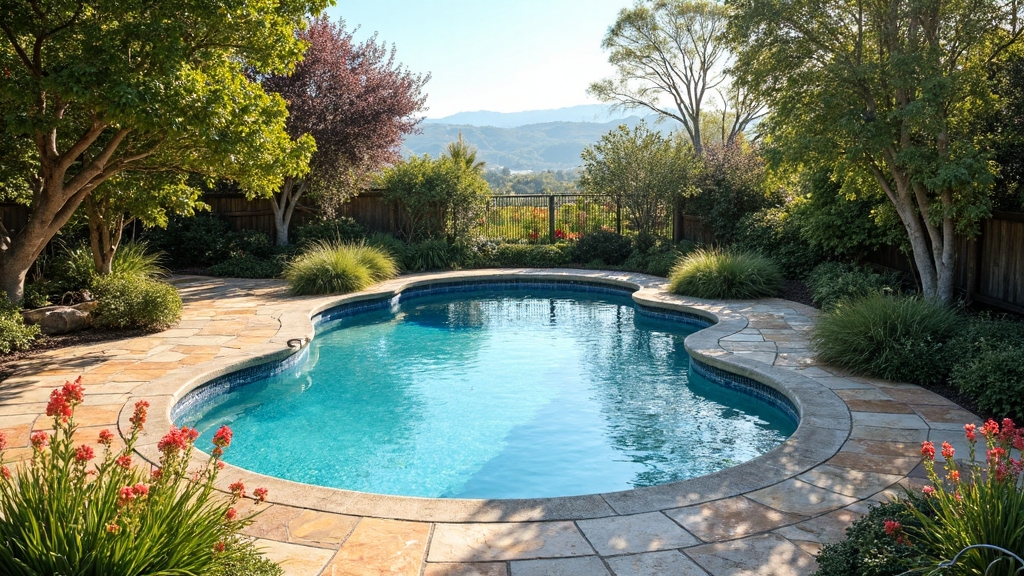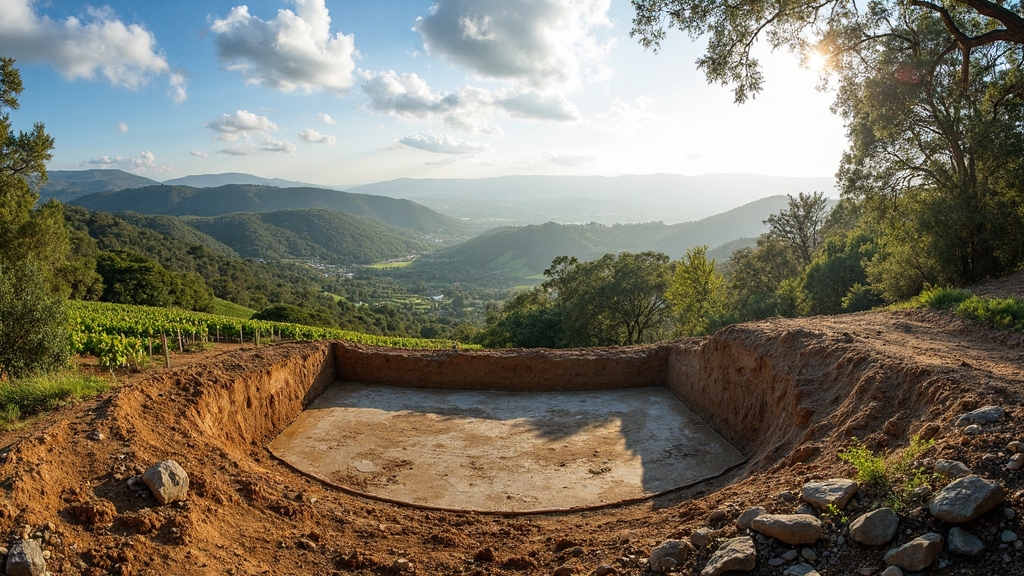



Building a pool before selling your home can boost its value and appeal, especially in markets where outdoor amenities are in high demand. With pools potentially increasing home value by up to $100,000 and fostering quicker sales, it’s worth considering. However, weigh installation costs and local regulations carefully, as poor decisions can lead to financial losses. To make the most informed choice, there’s more to explore about the timing and benefits of such an investment.
The Cliff Notes
- Building a pool before selling can increase your home’s value by up to $100,000, making it more attractive to potential buyers.
- In competitive markets, homes with pools sell faster and can attract multiple offers, enhancing your selling prospects.
- Consider the timing of your investment; building during peak seasons may align with heightened buyer interest and offers.
- Analyze local demand; if pools are common in your area, installation before selling can significantly boost marketability.
- Weigh the costs of installation and maintenance against potential ROI to ensure a favorable outcome before deciding on pool construction.
Understanding the Market Trends
When considering whether to build a pool before selling your home, understanding current market trends is essential. A recent Redfin study reveals that a pool investment can increase your home’s value by an impressive average of up to $100,000, especially in high-demand states like California and Florida. The COVID-19 pandemic has further fueled this trend, with a 69% surge in value for inground pools, highlighting buyers’ growing preference for outdoor amenities. Selling a home with a pool not only attracts higher offers but also accelerates the sales process, as buyers are drawn to properties with functional outdoor spaces. In warmer climates, energy-efficient and visually appealing pools are particularly desirable, enhancing your home’s marketability and overall resale value. Additionally, ensuring compliance with pool safety regulations can further reassure potential buyers about the property’s safety features.
Costs Involved in Pool Installation
Installing a pool can greatly enhance your home’s appeal, but it’s essential to understand the costs involved before diving in. The average cost of an inground pool ranges from $35,000 to $65,000, influenced by materials and features. Don’t forget additional expenses like landscaping and fencing, which can add 20-30% to your total. Ongoing maintenance costs can also range from $1,200 to $2,500 annually, affecting your budget. If you’re considering adding a pool to sell your house, keep in mind that the pool ROI in Sonoma can vary between 50% to 70%. Exploring financing options can help manage these costs, but you’ll want to weigh the investment carefully before making a decision. Proper water chemistry is crucial to maintaining a clean and safe pool environment, which can further impact your long-term expenses.
Potential Increase in Property Value
While the allure of a swimming pool often captures homeowners’ imaginations, it’s crucial to reflect on how it can impact your property’s value. A well-maintained swimming pool can increase your home’s value by up to $100,000, and properties with pools sell faster in competitive markets. By upgrading pool equipment, you enhance functionality and reduce future maintenance costs, making your home even more attractive to buyers. Additionally, ensuring compliance with drowning prevention safety features can further increase buyer confidence and appeal.
| Factor | Impact on Value | Importance |
|---|---|---|
| Home Value Increase | Up to $100,000 | High |
| Buyer Offers | Higher premiums | Very High |
| Selling Speed | Faster transactions | Critical |
| Marketability | Elevated in-demand | Essential |
Investing in a pool can be a strategic move for maximizing your property’s potential.
Buyer Preferences and Expectations
How essential is a pool in shaping buyer preferences today? In warmer climates, many buyers expect homes to feature pools, making listings without one less appealing and potentially leading to lower offers. According to a Redfin study, pools can add up to $100,000 to a home’s value, markedly boosting buyer interest. Families with children and lifestyle-focused buyers prioritize pools for recreation and entertainment, shaping their home search criteria. In competitive markets, well-maintained pools attract multiple offers, as buyers often pay a premium for desirable outdoor features. Additionally, the trend towards energy-efficient pool systems highlights buyers’ increasing focus on sustainability and long-term savings. Ultimately, a pool can be a notable asset in meeting buyer expectations and enhancing marketability.
Risks of Installing a Pool Before Selling
Before diving into a pool installation, it’s essential to evaluate the financial risks involved. The investment can lead to significant costs and may not enhance your home’s resale value. Consider these potential pitfalls:
- **High installation costs**: Ranging from $20,000 to $50,000, which you might not recoup.
- **Market limitations**: A pool may not appeal to buyers, especially in areas where pools are uncommon.
- **Repair expenses**: Poorly executed installations can incur additional repair costs, further impacting your return.
- **Extended selling time**: Construction delays could deter buyers looking for a move-in ready home.
Weighing these risks can help you decide whether a pool is a wise investment before selling your property.
Maintenance Considerations for Sellers
Proper maintenance of your pool can greatly impact your home’s appeal and resale value. A neglected pool can deter buyers and reduce your property’s worth, so keeping it in top shape is vital. Regular cleaning and upkeep not only enhance visual appeal but also create a positive first impression during showings. Documenting maintenance records, including service schedules and repairs, can build buyer trust, providing reassurance about the pool’s condition. Additionally, guarantee safety features like fencing and alarms meet local regulations to alleviate any concerns. Addressing visible damage, leaks, or water quality issues before selling can prevent complications and boost marketability. Ultimately, a well-maintained pool can be a significant asset in your home-selling journey.
Timing the Pool Installation
When contemplating the installation of a pool, timing can greatly influence your home’s appeal and selling potential. Installing a pool during the off-season allows you to complete the project before peak swimming season, maximizing buyer interest. Here are key points to take into account:
- Completing the installation months in advance guarantees visual appeal for showings.
- Homes listed in spring and summer attract more buyers, as pools are highly desirable.
- Properties with inground pools can see an average **value increase** of up to $100,000.
- Well-maintained pools often **sell faster**, reducing your time on the market.
Alternative Options for Enhancing Appeal
Considering the impact of a pool on your home’s sale, you might find that there are other ways to enhance your property’s appeal without committing to a large installation. Here are some alternatives that can greatly boost your home’s attractiveness:
| Option | Benefits | Cost-Effectiveness |
|---|---|---|
| Landscaping | Improves curb appeal | Low to moderate investment |
| Outdoor Lighting | Creates inviting atmosphere for viewings | Moderate investment |
| Outdoor Kitchen/Bar | Adds functionality for entertaining | Moderate to high investment |
Evaluating Neighborhood Standards
How can evaluating neighborhood standards influence your decision to add a pool before selling your home? Understanding the expectations of your area is crucial, as it can greatly impact your resale value. In neighborhoods where pools are common, having one might be essential. Consider these factors:
Evaluating neighborhood standards is vital; a pool can significantly influence your home’s resale value.
- **Market trends**: Are pools viewed as a desirable feature or a liability?
- **Competing properties**: What do similar homes offer regarding amenities?
- **Upscale expectations**: In luxury areas, a pool may be expected, enhancing your home’s appeal.
- **Regulations**: Are there zoning laws that could complicate the installation?
Final Thoughts on Pool Investment
When considering a pool investment, it’s essential to weigh the costs against the potential value it brings to your home. Buyer preferences fluctuate with trends, and in certain markets, a well-designed pool can greatly enhance your property’s appeal. Understanding these dynamics can help you make an informed decision that aligns with your selling strategy.
Cost vs. Value Consideration
While investing in a pool can greatly enhance your home’s appeal, it is essential to carefully evaluate the costs against the potential value it may add. Consider the following factors:
- **Increase in home value**: Pools can add up to $100,000 in desirable markets.
- **Attractiveness to buyers**: A well-maintained pool can lead to higher offers during negotiations.
- **Return on investment**: Renovating an existing pool can yield significant ROI, especially in peak seasons.
- **Local demand**: Assess your area’s interest in pools to gauge potential benefits.
Weighing these considerations will help you make an informed decision. A pool can be a valuable asset, but only if the investment aligns with your selling strategy and market conditions.
Buyer Preferences and Trends
Investing in a pool can be a strategic move, especially when considering current buyer preferences and trends. Recent studies show that homes with pools can see an average value increase of up to $100,000, making them an attractive investment. Demand for pools surged during the COVID-19 pandemic, with 69% of buyers willing to pay a premium for properties featuring inground pools, particularly in warmer climates. Families and luxury buyers often prioritize homes with pools, enhancing your property’s marketability. Furthermore, energy-efficient and modern pool features are increasingly sought after, aligning with buyer desires for long-term savings. In upscale neighborhoods, a pool is often expected; lacking one may limit interest or lead to lower offers in competitive markets.
Frequently Asked Questions
Does a Swimming Pool Help Sell a House?
Absolutely, a swimming pool can greatly sell your house. Pools provide a picturesque place for relaxation and recreation, attracting enthusiastic buyers. They can enhance your home’s appeal, especially in sunny settings, drawing families and lifestyle enthusiasts. A well-kept pool can promise potential profit and increase buyer interest, making your property stand out in the saturated market. Ultimately, the right pool can transform your home from average to alluring, boosting both value and marketability.
Is It Hard to Sell a House With an Inground Pool?
Selling a house with an inground pool can be both advantageous and challenging. While a well-maintained pool can attract buyers and enhance your property’s appeal, some potential buyers might be deterred by maintenance concerns or safety issues. It’s essential to highlight the pool’s benefits, especially in warmer climates, but you’ll need to address any worries upfront. Ultimately, it can be a unique selling point that sets your home apart in a competitive market.